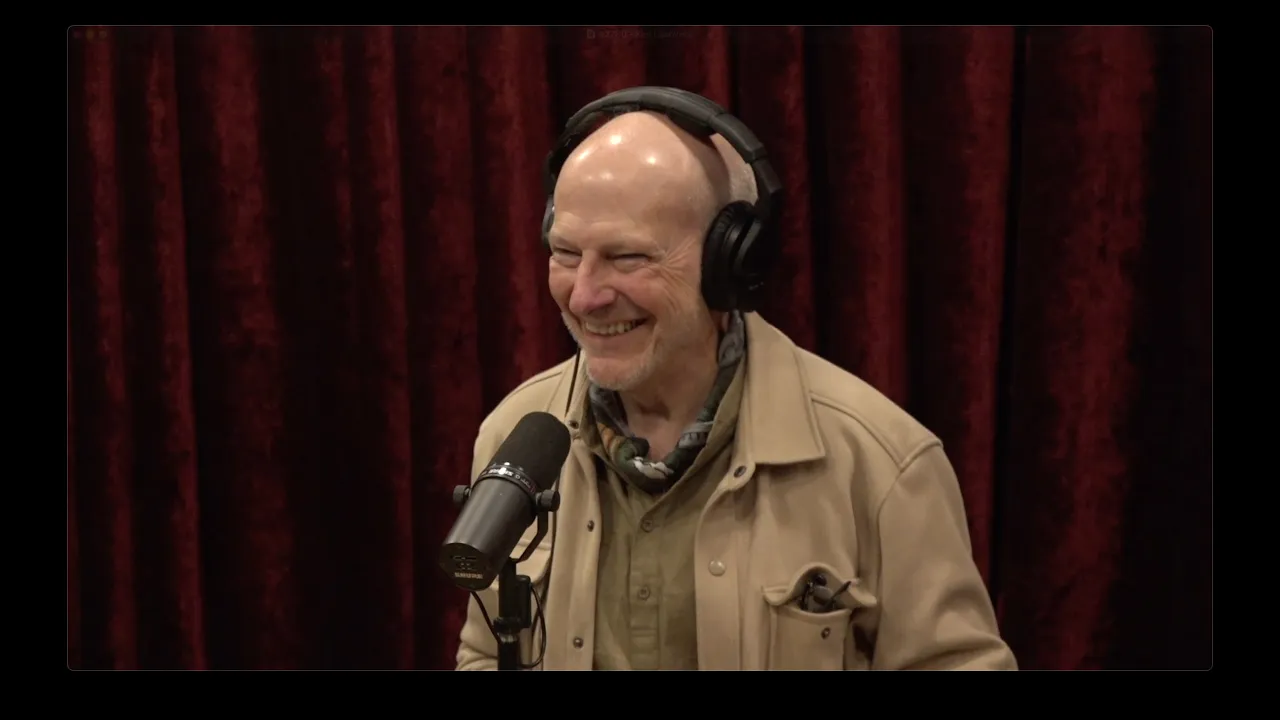
Put Your Finger in Your Ear for 30 Seconds—Your Brain Will Surprise You! Dr. Mandell
motivationaldoc
43,154 views • 2 days ago Save 2 min 3 min read
Video Summary
Your body holds a hidden "off switch" for stress located directly in your ears. By applying specific, gentle pressure to the tragus and surrounding tissues, you can physically hack your nervous system to bypass the fight-or-flight response and trigger an immediate parasympathetic state. This process works by stimulating branches of the vagus nerve, which regulates heart rate, breathing, and emotional calm.
These techniques offer a rapid, drug-free intervention for the modern epidemic of chronic sympathetic overdrive caused by screen time and overstimulation. Whether through rhythmic tragus pumping, mastoid process massage, or humming-induced vibrations, these sensory inputs send direct signals to the brainstem. By interrupting the stress loop at a physiological level, you can induce relaxation, improve circulation, and recalibrate your body's internal balance in under a minute.
Short Highlights
- The ear contains nerve pathways directly linked to the vagus nerve, which controls your body's calming response.
- Chronic stress keeps the body in a "sympathetic overdrive" state that can be interrupted by specific sensory stimulation.
- You can use these five techniques to trigger a physiological shift:
- Gently pressing the ear canal entrance
- Pumping the tragus flap
- Massaging the mastoid process behind the ear
- Pulling downward on the outer ear
- Humming while massaging the bowl of the ear
- Humming stimulates nitric oxide production, which improves circulation and promotes relaxation.
- These methods are free, scientifically grounded, and allow you to identify which specific physical stimuli work best for your unique physiology.
Key Details
Activating the Vagus Nerve [0:00]
- The outer ear contains overlooked nerve pathways that connect directly to the vagus nerve, a critical component of the parasympathetic nervous system.
- Simple pressure applied to the ear canal can cause an immediate, noticeable slowing of breathing and relaxation of the jaw and shoulders.
- "Your ear contains one of the most overlooked calming nerve pathways connected to your brain and your nervous system."
The Tragus and Mastoid Techniques [0:50]
- Pumping the tragus flap in front of the ear canal provides sensory stimulation that sends calming signals to the brainstem.
- Massaging downward behind the ear along the mastoid process helps release tension caused by poor posture and nervous system overload.
- "This releases stress tension this can actually help your poor posture screen time emotional strain and your nervous system overload."
The Power of Humming and Vibration [1:45]
- Humming while making circular motions in the bowl of the ear stimulates neurological pathways for emotional regulation.
- The vibration from humming triggers the release of nitric oxide in the nasal area, which vasodilates arteries and bronchioles to improve circulation.
- "When you hum you're actually stimulating nitric oxide nitric oxide back in the nasal area vasodilates the the bronchioles vasodilates the arteries it just vasodilates everything to allow things to flow better."
Interrupting the Stress Loop [2:15]
- Modern life, characterized by caffeine, screens, and constant mental activity, keeps the body locked in a chronic fight-or-flight state.
- These sensory tricks serve as a tool to interrupt the stress loop, allowing the body to shift back into a state of recovery and calm.
- "These small little sensory tricks can reconnect with the brain and the body which helps interrupt that stress loop long enough to create a very real physiological shift."