7 Warning Signs in Your Legs You Should Never Ignore | Dr. Mandell
motivationaldoc
57,555 views • 1 month ago Save 2 min 4 min read
Video Summary
Your legs can be a crucial indicator of underlying health issues, with seven warning signs that should never be ignored. Persistent pain or cramping in the calves during walking, which subsides with rest, could signal peripheral arterial disease (PAD) due to narrowed arteries. Sudden, one-sided swelling, warmth, or tenderness in a leg might indicate a dangerous deep vein thrombosis (DVT), a blood clot that can travel to the lungs.
Other critical signs include persistently cold feet, especially if one is colder than the other, which can point to reduced circulation. Recurring numbness, tingling, or burning sensations in the feet or legs may suggest nerve damage, often linked to diabetes. Non-healing sores on the feet, ankles, or toes, along with noticeable changes in skin color, thinning skin, reduced hair growth, or brittle toenails, also warrant medical attention. Finally, persistent swelling in the ankles or lower legs, particularly if it develops suddenly or is accompanied by shortness of breath or chest discomfort, could signal serious heart, kidney, or liver problems. Recognizing these signals early can make a significant difference in managing your health.
Short Highlights
- Pain or cramping in calves when walking that improves with rest (intermittent claudication)
- Sudden swelling, warmth, or tenderness in one leg (potential DVT)
- Persistently cold feet, especially if one is colder than the other
- Recurring numbness, tingling, or burning sensations in feet or legs
- Sores on feet, ankles, or toes that take unusually long to heal
- Noticeable changes in leg or foot skin color, appearance, or hair growth
- Persistent swelling around both ankles or lower legs
Key Details
Pain or Cramping in Calves During Walking [0:43]
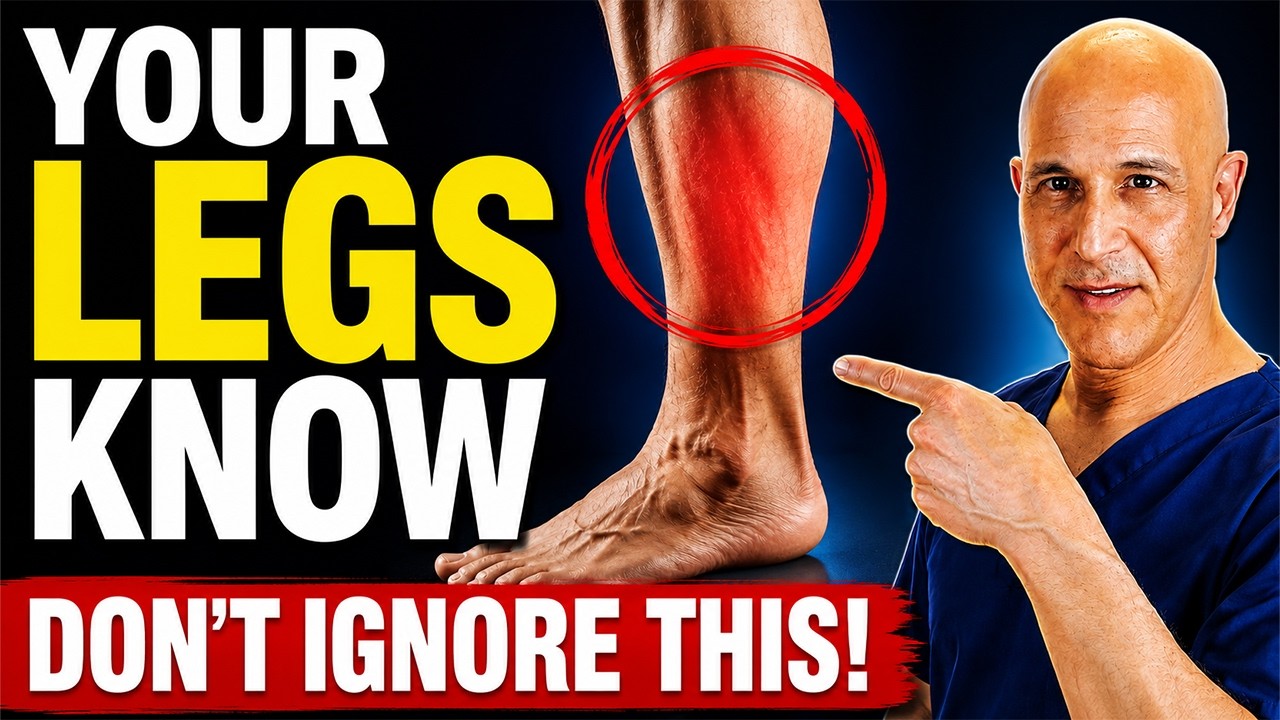
- Pain or cramping in calves that appears with walking and improves with rest can indicate insufficient blood flow to muscles.
- This condition, known as intermittent claudication, may be a sign of peripheral arterial disease (PAD), where leg arteries become narrowed.
- Individuals with diabetes, high cholesterol, high blood pressure, or a history of smoking should seek medical evaluation for these symptoms.
"But when discomfort repeatedly appears with walking and improves with resting, it can sometimes mean the muscles are not getting enough blood during that activity."
Sudden Swelling in One Leg [1:31]
- Sudden swelling, warmth, tenderness, or noticeable enlargement of one leg can be a sign of deep vein thrombosis (DVT), a blood clot in a deep vein.
- Unlike mild swelling in both ankles from prolonged sitting or standing, this unilateral presentation requires prompt medical attention due to the risk of the clot traveling to the lung.
- Seek emergency care immediately if accompanied by chest pain, shortness of breath, dizziness, or coughing up blood.
"Sudden swelling in one leg, especially with pain, warmth, or redness, can sometimes be caused by a deep vein thrombosis or DVT, which is a blood clot in a deep vein."
Persistently Cold Feet [2:25]
- While cold feet alone aren't necessarily a problem, persistently cold feet, especially if one foot feels significantly colder than the other, can indicate reduced circulation.
- This can be exacerbated by other symptoms like skin color changes, weak pulses, pain during walking, or slow-healing wounds.
- Reduced blood flow limits oxygen and nutrient delivery to tissues, with extremities being the first to show signs.
"But persistently cold feet, along with skin color changes, weak pulses, pain in walking, or wounds that just don't heal the way they should because of reduced circulation."
Numbness, Tingling, or Burning Sensations [3:09]
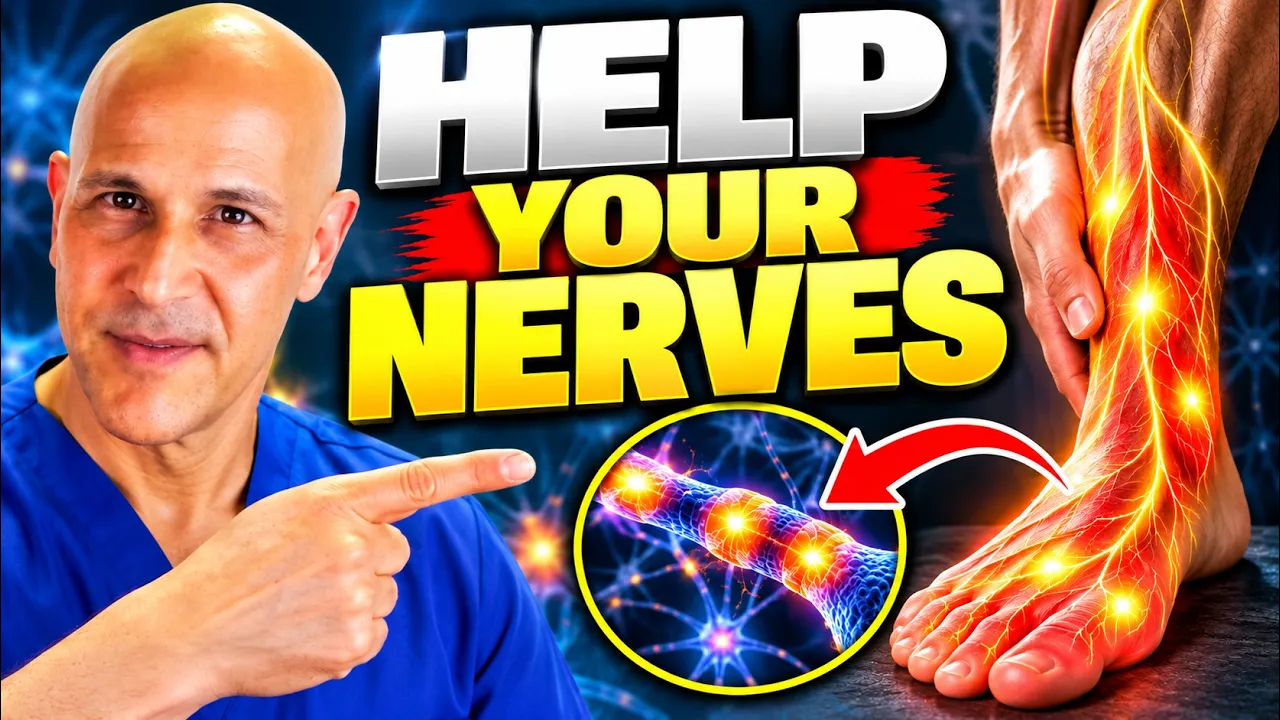
- Recurring numbness, tingling, burning, or strange sensations in the feet or legs can signal irritated or damaged nerves.
- Diabetes is a common cause of peripheral neuropathy, but vitamin deficiencies, certain medications, or nerve compression (especially in the lower back) can also be culprits.
- Decreased sensation can lead to unnoticed injuries like blisters or cuts, making it dangerous not to address persistent symptoms.
"The danger is that when sensation decreases, you may not even feel a blister, a cut, or an injury to the foot."