Beastie Boys | SmartLess
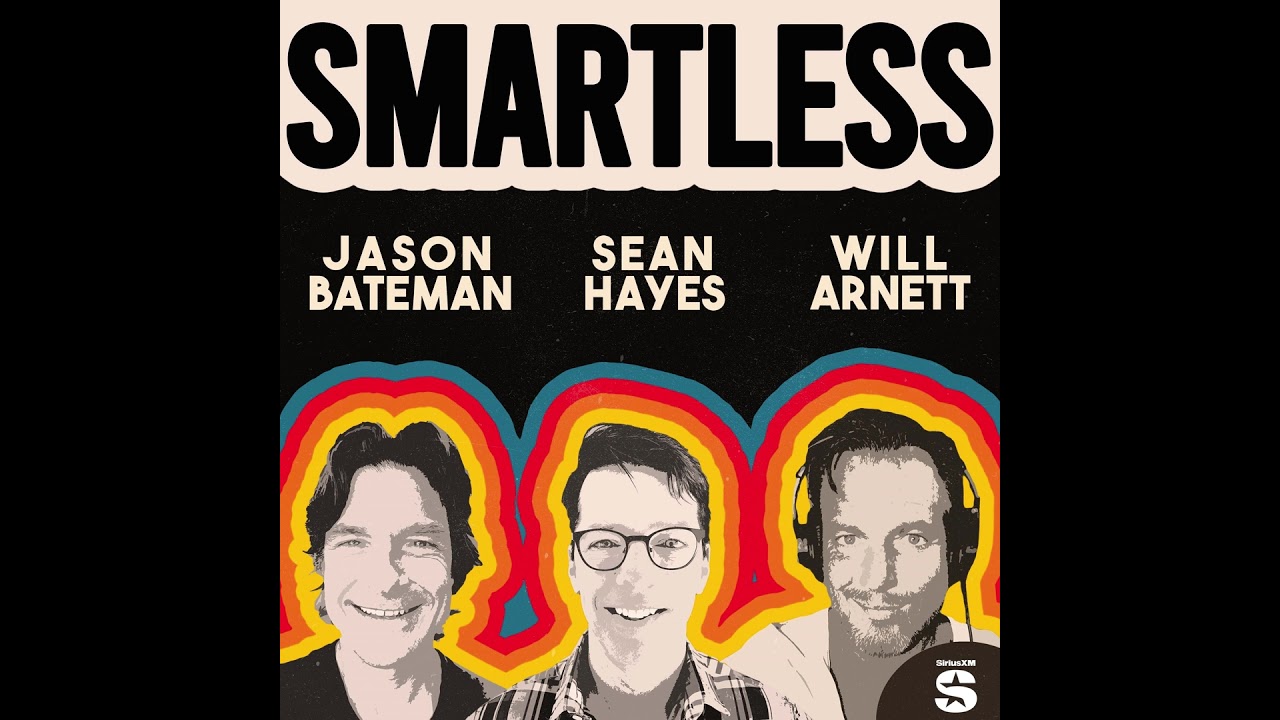
SmartLess
2,979 views • 23 hours ago Save 59 min 7 min read
Video Summary
In a rare and candid appearance, Beastie Boys legends Mike Diamond and Adam Horovitz reflect on their accidental rise to global stardom and the chaotic, often surreal reality of being an overnight sensation. From the band's origins as a scrappy, punk-obsessed group of New York teenagers to the industry-defying creative risks that defined their career, the duo discusses the tension between being media-derided instigators and cultural icons. They reveal the truth behind their legendary "License to Ill" era, the pressure to conform, and the artistic freedom they fought to maintain.
The conversation also touches on the band's enduring influence and the evolution of their creative process. Mike Diamond shares insights into his recent solo work and the experience of collaborating with his own children, while both men reflect on the 40th anniversary of their debut album. Despite their massive impact on music, film, and fashion, Diamond and Horovitz maintain a grounded perspective, emphasizing that their journey was less about calculated success and more about the pursuit of creative authenticity and the camaraderie of their early days.
Short Highlights
- The band formed from a small, lawless New York City punk scene where the line between audience and performer was non-existent.
- Their breakthrough was fueled by an unexpected blend of punk energy, hip-hop, and humor that initially confused critics but resonated globally.
- The "License to Ill" tour was a whirlwind of controversy, including international tabloid scrutiny and even discussions in the British Parliament.
- The group famously defied their label's pressure to replicate their debut's sound, choosing instead to pursue experimental work like "Paul's Boutique."
- Their iconic "Sabotage" music video was a collaborative, low-budget effort inspired by 1970s police dramas like "The Streets of San Francisco."
- Despite their massive success, the members rarely listen to their own early catalog, viewing their music as a snapshot of their youth and friendships.
- The duo remains humble about their legacy, crediting their influences like the Ramones and Run-DMC for shaping their unique creative path.
Key Details
Accidental Origins [0:00:00]
- Mike Diamond and Adam Horovitz recount meeting in the early 1980s New York City punk scene.
- The band formed through a shared desire to be in a group, despite having little professional experience.
it was the thing to be in a band yeah yeah back then it's like oh you you know like nobody knows how to play anything but like oh are we have a show next week
The Punk Scene [0:00:00]
- The group was heavily influenced by bands like Bad Brains and the Ramones.
- They valued differentiating themselves from their peers above all else.
that identity like the thing you know we we thrived on differentiating our ourselves from like everybody
Discovering Rap [0:00:00]
- Transitioning from hardcore punk to rap was an experimental, unexpected move for the band.
- They sought out a DJ and equipment, leading them to Rick Rubin.
we were a hardcore punk band and um but we listened to a lot of rap music and so i guess we kind of were like let's try to rap at one of our shows
The Rick Rubin Connection [0:00:00]
- The band met Rick Rubin through mutual friends in the downtown scene.
- They were drawn to his access to equipment, despite a humorous misunderstanding about a non-existent bubble machine.
that's what sealed the deal for us like why we were going to this guy's dorm room but he had the rest of the gear
Naming the Band [0:00:00]
- The name "Beastie Boys" was chosen for its absurdity and ironic tone.
- It reflected the contrast between their "badass" image and their reality as skinny kids from the Upper East Side.
we were trying to come up with the most i you know just yeah completely absurd ridiculous name that you possibly could
The License to Ill Whirlwind [0:00:00]
- The band experienced massive, sudden success that felt both exciting and overwhelming.
- They were unprepared for the intense media scrutiny and tabloid culture, particularly in the UK.
so much crazy stuff had happened and so we take this break
UK Tabloid Controversy [0:00:00]
- British journalists conflated the band's stage antics with their personal lives, leading to public outrage.
- The controversy even reached the British Parliament, which the band views as a bizarre badge of honor.
apparently they had a meeting of the parliament to decide if we should be allowed in the country
The Business of Music [0:00:00]
- The band faced significant financial issues, claiming they were never paid for the "License to Ill" tour.
- They left their label to escape the pressure to create a carbon-copy follow-up record.
we were like you know we're like punk rock kids from new york city and we were like nah hell no fuck that
Paul's Boutique [0:00:00]
- Moving to California allowed the band to experiment and create a record that was true to their artistic vision.
- They rejected the label's demand for "License to Ill"-style commercial success.
we went off into our own world and started making paul's boutique in california
The Sabotage Video [0:00:00]
- The iconic video was a collaborative, low-budget project with Spike Jonze.
- It was inspired by 1970s police dramas and was filmed with a sense of spontaneity.
we were trying to come up somehow we kept watching different it was vhs tapes and somehow we started watching streets of san francisco
Reflecting on 40 Years [0:00:00]
- The members rarely listen to their own early music, viewing it as a relic of their youth.
- They express gratitude for their continued relevance and survival.
happy to be um still here which we can not say for a lot of our friends so yeah there's that
Cultural Impact [0:00:00]
- The band acknowledges their role in integrating their music into the lives of their fans.
- They emphasize that they were always trying to emulate their own musical heroes.
we're just trying to be the ramones and the clash and run dmc
Hearing Songs in Public [0:00:00]
- Hearing their own music in restaurants or public places remains a surreal and occasionally awkward experience.
- They note that it rarely happens naturally unless someone recognizes them.
brass monkey comes on and then like a song from in sound way out i mean that would be nice but then it's more like so what you want comes on
Collaborating with Family [0:00:00]
- Mike Diamond discusses his recent work and the experience of having his children as vocal producers.
- He appreciates their honesty and lack of deference to his past celebrity.
they were my best vocal producers because i mean you got you guys probably have that you guys have all worked you know many many hours
Artistic Evolution [0:00:00]
- The band's creative process has shifted as they have aged, moving toward more reflective and collaborative projects.
- They remain committed to working within a community of musicians they respect.
i was just like i would like to sort of do it in this community of musicians that that really i owe it to them as as kind of forging
Closing Thoughts [0:00:00]
- The duo expresses appreciation for the opportunity to discuss their history.
- They confirm their ongoing respect for the creative journey they shared.
it was very very cool really appreciate it you guys