Survivors Battling Leprosy: Indonesia - Asia Insight
NHK WORLD-JAPAN
3,691 views • 2 months ago Save 24 min 4 min read
Video Summary
In Indonesia, a disease considered a relic of the past, leprosy, continues to afflict communities, leading to devastating consequences like nerve damage and disfigurement. A dedicated NGO, Pramata, comprised of leprosy survivors, is at the forefront of this battle, working tirelessly to locate new patients, support their treatment, and dismantle the deep-rooted social stigma.
Despite the availability of free treatment from the World Health Organization, Indonesia grapples with a significant number of new cases, particularly in rural areas where healthcare infrastructure and economic conditions lag. Pramata's grassroots approach involves community outreach, education, and direct support, exemplified by members like Al Qadri, who, as a survivor himself, understands the profound impact of discrimination and the critical need for early intervention. Their efforts are crucial in a country where historical segregation and ongoing prejudice hinder recovery and integration.
Short Highlights
- Leprosy, a disease causing nerve damage and disfigurement, persists in Indonesia despite being considered a past ailment in developed nations.
- An NGO named Pramata, composed of leprosy survivors, actively seeks out patients, supports their treatment, and combats social prejudice.
- Indonesia faces a high number of new leprosy cases, with rural and eastern islands lagging in healthcare and early detection.
- Historical stigma has led to segregation, with former leprosy colonies still existing and housing many residents with the disease.
- Early detection and treatment are crucial, as delayed intervention can lead to severe complications and permanent damage.
- Leprosy reactions, an immune system overreaction post-treatment, can cause severe inflammation and even death in some cases.
- Grassroots efforts by survivors are vital for changing social perceptions and ensuring patients receive necessary care and acceptance.
Key Details
Leprosy's Persistent Grip in Indonesia [0:00]
- Leprosy, a disease that can lead to nerve damage and disfigurement, continues to affect people in remote Indonesian villages.
- Caused by "myobacterium lepray," it spreads through droplets, and while the immune system often fights it off, infection can occur when immunity is low.
- Symptoms may appear years later when resistance drops, and without speedy treatment, conditions worsen.
"this man has shown symptoms for eight years but was misdiagnosed with diabetes without early treatment his condition worsened"
Challenges in Healthcare Access [0:52]
- A village health center in eastern Indonesia is unable to provide adequate treatment for leprosy patients.
- The national diagnosis rate for leprosy in Indonesia is nearly 15,000 new cases annually, with a significant portion in developing countries.
- Indonesia, despite meeting a WHO target in 2000, still records a high number of new cases, ranking third globally.
"The village has a health center but it's unable to provide adequate treatment"
Pramata: A Survivor-Led NGO [2:20]
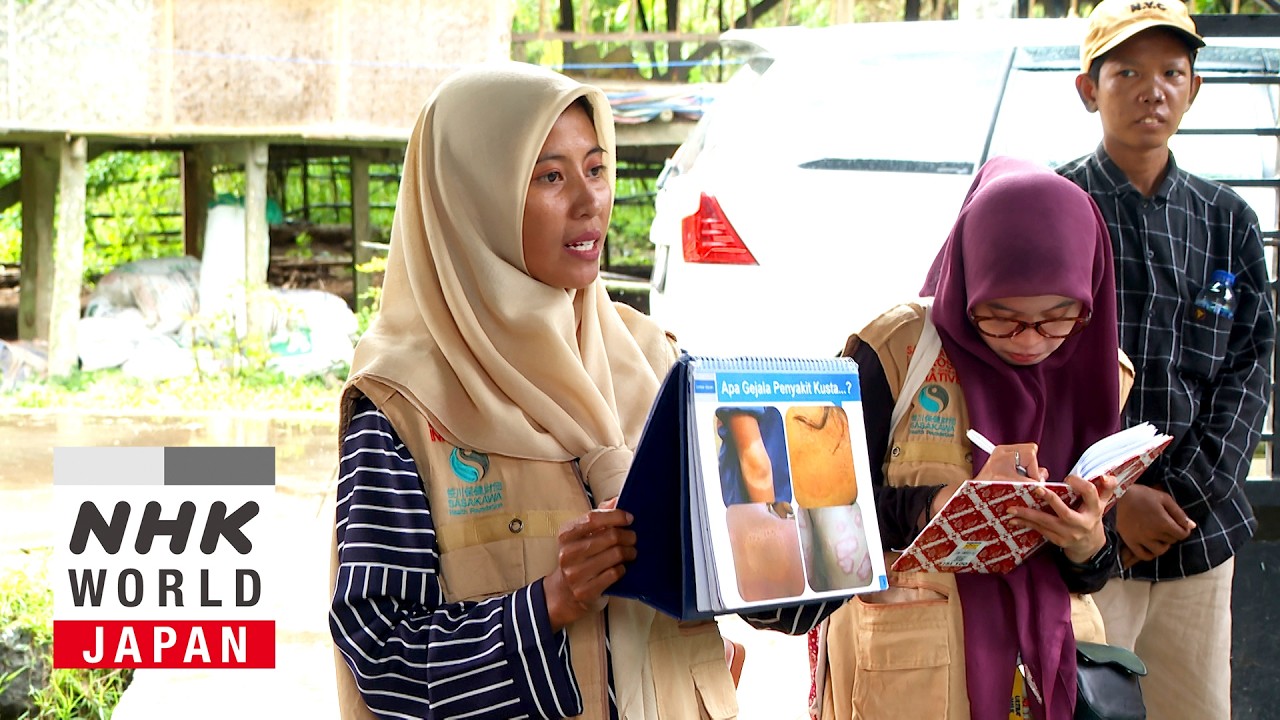
- Al Qadri, a leprosy survivor, directs Pramata, an NGO founded in 2007 that supports patients and aims to end discrimination.
- The NGO has over 200 members in Sulawesi, all of whom are survivors, who share knowledge and help people access medical facilities.
- Pramata has reached around 2,000 people, connecting many to medical facilities, with initiatives led by individuals like Yusniyati, a 25-year-old survivor.
"This is Makasa the largest city on the eastern Indonesian island and work to put an end to discrimination and prejudice"
Historical Stigma and Segregation [5:31]
- Indonesia carries a history of stigma, with leprosy patients once forced into segregated colonies like Jongaia, established in the 1930s under Dutch rule.
- Jongaia currently houses around 2,300 residents, with about a fifth having or having had leprosy.
- A safe house run by Al-Qadri's NGO provides shelter for those traveling for treatment, offering free accommodation and meals.
"Some had no choice but to leave their village. Others left their families behind in search of medical attention."
The Fight Against Leprosy Reactions and Prejudice [10:05]
- Leprosy reactions, where the immune system overreacts to dead bacteria post-treatment, can cause severe inflammation and nerve damage.
- Some NGO members have died from these reactions, like Nur Hayati's son, Fikrin Hidayat Kalbyan, who died 18 months prior despite being cured of leprosy.
- Al Qadri and his team continue to visit communities, educating people that leprosy is curable and advocating for the acceptance of survivors, facing resistance from those who view the disease as a curse.
"We are still ranked number three in the world, which is, in my view, it's the same. We should be able to do faster and better."