Mobile clinics deliver peace of mind to hibakushaーNHK WORLD-JAPAN NEWS
NHK WORLD-JAPAN
2,784 views • 1 month ago Save 1 min 4 min read
Video Summary
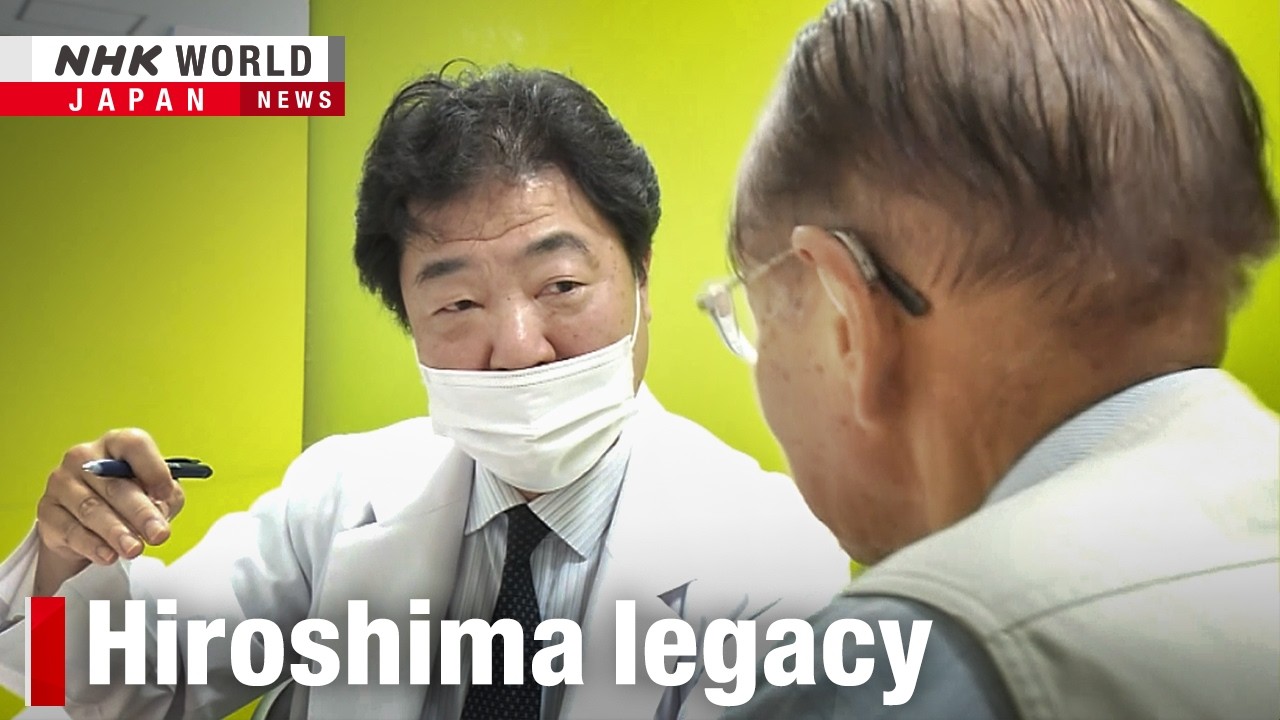
Eighty-one years after the atomic bombing of Hiroshima, a dedicated medical organization is bridging the gap for aging survivors, known as hibakusha. Many survivors, now averaging over 86 years old, face compounded health anxieties due to both their exposure to radiation and the natural process of aging. To address this, a program, run in tandem with Hiroshima City, offers free health examinations, including convenient mobile clinics that bring medical care directly into community centers. These mobile services, staffed by doctors and nurses, have become vital havens for hibakusha to receive check-ups, discuss their health concerns, and find reassurance.
Dr. Ueno Yoshitaka, director of the program, emphasizes the profound importance of these services, drawing from his own father's experience as a hibakusha. He actively engages with survivors, listening to their stories and providing deep care, particularly for those exposed to radioactive black rain. The program, with over 70 years of history, is now appealing to the next generation of medical professionals to continue this critical mission, ensuring that hibakusha can live their final years with peace of mind.
Short Highlights
- Free Health Examinations: Atomic bomb survivors (hibakusha) can receive free examinations twice a year.
- Mobile Clinics: Eight mobile services operate in city community centers for greater convenience.
- Support for Aging Survivors: The program addresses the compounded health concerns of aging hibakusha, many over 86.
- Intergenerational Mission: Dr. Ueno Yoshitaka urges younger medical professionals to continue specialized care for hibakusha.
Related Video Summary
- LIVE: Japan marks the 81st anniversary of the Hiroshima atomic bombing
- Houthis claim 45 killed in attacks on Yemen government forces; Saudi Arabia reports Najran strike
- Global Meet-Up #1 (Tokyo): Japan's Geo-Political Outlook
- LIVE: View of collapsed Aeon Mall following 7.1 magnitude earthquake in Japan
Key Details
Mobile Checkups for Survivors [0:13]
- Mobile checkup clinics are operating in community centers.
- Attendees are all hibakusha, survivors of the atomic bomb.
- The services provide examinations and address health concerns.
You can see it here, and you can see it here.
Established Medical Support [0:31]
- A local medical organization, established in 1953, runs the program with Hiroshima City.
- Atomic bomb health certificate holders are eligible for free hospital examinations twice a year.
- Eight mobile services are available in city community centers, staffed by doctors and nurses.
Atomic bomb health certificate holders can undergo free examinations in hospitals twice a year.
Director's Personal Mission [0:49]
- Dr. Ueno Yoshitaka directs the program, inspired by his hibakusha father.
- He emphasizes deep care and understanding when screening patients.
- He talks with survivors about their experiences, including exposure to radioactive black rain.
We believe this service is vital to reassure people that their health is fine and they have nothing to worry about.
Historical Context of Care [1:11]
- The atomic bomb on August 6, 1945, caused immense destruction and loss of life.
- Local doctors, themselves survivors, tirelessly treated patients.
- They founded the Atomic Bomb Casualty Council when hibakusha lacked official public medical support.
For more than 70 years, the council has been devoted to providing medical services to survivors.
Survivor's Anxieties [1:37]
- An 82-year-old survivor attends regular check-ups.
- He expresses anxiety that the atomic bombing may be related to his family's deaths from cancer.
- His mother, oldest sister, and older brother all died from various cancers.
I am gradually starting to feel anxious that the atomic bombing may be related to their deaths.
Community and Outreach [1:55]
- Mobile clinics serve as places for hibakusha to connect and discuss health concerns.
- Dr. Ueno appeals to upcoming medical professionals to continue hibakusha care.
- He notes that many young health care workers have little interest in specializing in this area.
I hope they will get involved in this area of medicine.
Future of Hibakusha Care [2:14]
- Dr. Ueno lectured medical and nursing students at Hiroshima University on the significance of check-ups.
- He stressed the mission of surviving medical professionals to continue supporting hibakusha.
- A pick-up and drop-off service has been introduced for hibakusha who cannot reach the clinics.
I must convey that this is a mission that the surviving medical professionals simply had to continue carrying out.
Life-Saving Services [2:33]
- One survivor credits the service with saving their life after being diagnosed with stomach and colorectal cancer.
- The program aims to ensure hibakusha can live their twilight years with peace of mind.
I was diagnosed with stomach and colorectal cancer here.
Continued Commitment [2:45]
- Dr. Ueno and his team continue their mission to support hibakusha.
- The goal is to provide peace of mind for survivors in their final years.
We'll see you next time.