Lindsay Clancy & the 13 Medications Prescribed to Her: 48 Hours of No Sleep After New Med
Rotten Mango
1,286,952 views • yesterday Save 117 min 7 min read
Video Summary
The case of Lindsay Clancy, a mother who killed her three children, has ignited a fierce, unresolved debate over the intersection of postpartum mental health care and potential misdiagnosis. While some argue her actions were the result of untreated postpartum psychosis, others point to evidence of a possible underlying bipolar disorder that may have been exacerbated by the improper prescription of SSRIs. The central tension lies in whether her medical providers failed to recognize her deteriorating condition or if the complexities of the postpartum period made her decline nearly impossible to detect.
Evidence from her medical records and journals reveals a chaotic treatment timeline involving 13 different medications and multiple providers who rarely communicated. This lack of coordination, combined with her intense, sometimes contradictory self-reporting, has left the public and legal experts questioning whether the current psychiatric system is equipped to handle such complex cases. With civil lawsuits pending against her doctors, the trial serves as a high-stakes examination of medical negligence, the limitations of telehealth, and the devastating impact of mental health crises.
Short Highlights
- The central debate is whether Lindsay Clancy suffered from postpartum psychosis or an undiagnosed bipolar disorder exacerbated by medication.
- Lindsay's treatment involved 13 different psychiatric medications and 35 dosage changes between September 2022 and January 2023.
- Providers are under fire for lack of coordination, as they frequently prescribed drugs without access to each other's records or patient history.
- The defense and civil suits argue that providers failed to recognize red flags, such as adverse reactions to Zoloft and intense, pressured-style writing.
- Critics of the defense argue that SSRIs are life-saving and that demonizing them creates dangerous fear-mongering for other patients.
- The case highlights the limitations of telehealth, with defense attorneys arguing that remote appointments prevented doctors from observing physical symptoms.
Key Details
Initial Presentation [07:22]
- Lindsay began taking Zoloft in September 2022 after reporting anxiety to Dr. Jennifer Tufts.
- Patrick Clancy was unaware she had already obtained the prescription two days prior to their discussion at a wedding.
I think it's really going to help with anxiety and with going back to work.
The GAD7 Screening [08:29]
- Lindsay scored a 21 out of 21 on the GAD7 anxiety screener, a ceiling score that experts noted was exceptionally high.
- Dr. Tufts prescribed Zoloft despite Lindsay's expressed concerns about breastfeeding.
I was like pulling from even my own personal experiences of taking the GAD7 test a few times. I've yet to see many people on even Reddit hitting the 20, 21 mark.
Adverse Reaction to Zoloft [10:35]
- Lindsay reported severe insomnia, racing thoughts, and worsening anxiety after increasing her Zoloft dose to 50mg.
- Experts note that SSRIs can potentially trigger manic episodes in patients with underlying, undiagnosed bipolar disorder.
I woke up at 3am and I'm wired. Like I feel incredible. Everyone talks about how SSRIs take forever to kick in. I feel so fucking good.
The Journaling Debate [13:14]
- Lindsay maintained detailed notes in her iPhone, which some interpret as a sign of mania or "pressured writing" rather than standard depression.
- Critics argue that the intensity of these entries is inconsistent with typical major depressive disorder.
I am strong. I am brave. I will get through this. I will overcome postpartum anxiety and depression.
Escalation of Medications [17:46]
- Dr. Tufts added Ativan and hydroxyzine to manage acute anxiety and sleep issues, though Lindsay struggled to find relief.
- By November, the medication regimen grew to include various antidepressants and benzodiazepines.
I feel the only medication that works for me is Ativan. It has the perfect effect of decreasing my anxiety and making me feel happy.
Dr. Tufts' Testimony [23:36]
- During cross-examination, it was revealed that Dr. Tufts was a new psychiatrist with only about a month of independent practice when she treated Lindsay.
- Defense counsel questioned her failure to use the Edinburgh Postnatal Depression Scale.
I don't think that I have been negligent.
Telehealth Limitations [27:32]
- Defense attorney Reddington emphasized that all 14 appointments were conducted via telehealth, preventing physical observation of symptoms like leg bouncing or hand-wringing.
- Dr. Tufts maintained that she could assess stress through video, though the defense argued the camera angle limited her view.
You recall how people sit there and they, they do this with their leg and their leg bounces because they're going through some type of emotional stress.
Suicide Ideation Semantics [34:25]
- Lindsay reported feeling "close to suicidal" but denied having an active plan, which Dr. Tufts noted as a distinction that prevented a mandatory psychiatric hold.
- Lindsay reportedly called a suicide hotline twice during this period but was not admitted.
I asked, do you have intention of harming yourself? Do you have a plan of hurting yourself? And she denied those.
The Role of Alcohol [38:40]
- It was noted that Lindsay consumed one to two alcoholic beverages five times a week while on benzodiazepines, a combination generally contraindicated.
- Dr. Tufts did not flag this as a major issue, sparking further debate over the quality of care provided.
It's just not a bigger topic, which is why we don't get much clarity.
Emergency Room Visit [44:35]
- On November 16, 2022, Lindsay visited an emergency department for severe insomnia and was prescribed Trazodone.
- This visit highlighted the lack of communication between emergency providers and her outpatient psychiatrist.
I have severe insomnia.
Referral to Julie Paul [48:10]
- Patrick's mother, a nurse, referred Lindsay to Julie Paul, a board-certified psychiatric nurse practitioner at South Shore Hospital.
- This referral introduced a new provider who attempted to stabilize Lindsay with Prozac and later Remeron.
Julie Paul is the director of the perinatal behavioral health program at South shore, which specializes in pregnancy and postpartum.
Medication Switching [51:40]
- Lindsay struggled with Prozac and was prescribed Ambien for a one-time dose to manage acute sleep deprivation.
- Her regimen continued to shift, with providers swapping different benzodiazepines like Ativan, Klonopin, and Valium.
I gave her a one-time dose of Ambien.
Introduction of Seroquel [57:05]
- Nurse practitioner Rebecca Gelata prescribed Seroquel, initially for depression, then considered it for mood stabilization.
- Lindsay reported feeling "weighed down" and "exhausted" on the medication, leading to further adjustments.
She felt like when she took Remarin and Seroquel together, she felt weighed down and exhausted.
Bipolar Diagnosis Debate [61:10]
- Gelata expressed concern about a potential underlying bipolar disorder, citing Lindsay's extreme reaction to Zoloft.
- Patrick Clancy reportedly told Gelata during a meeting that his wife was not bipolar.
I discussed with her and her husband the possibility of potentially an underlying bipolar disorder.
Rapid Titration [66:45]
- Gelata increased Seroquel to 400mg over four days, a rapid titration that the defense and civil suits claim was a significant factor in Lindsay's decline.
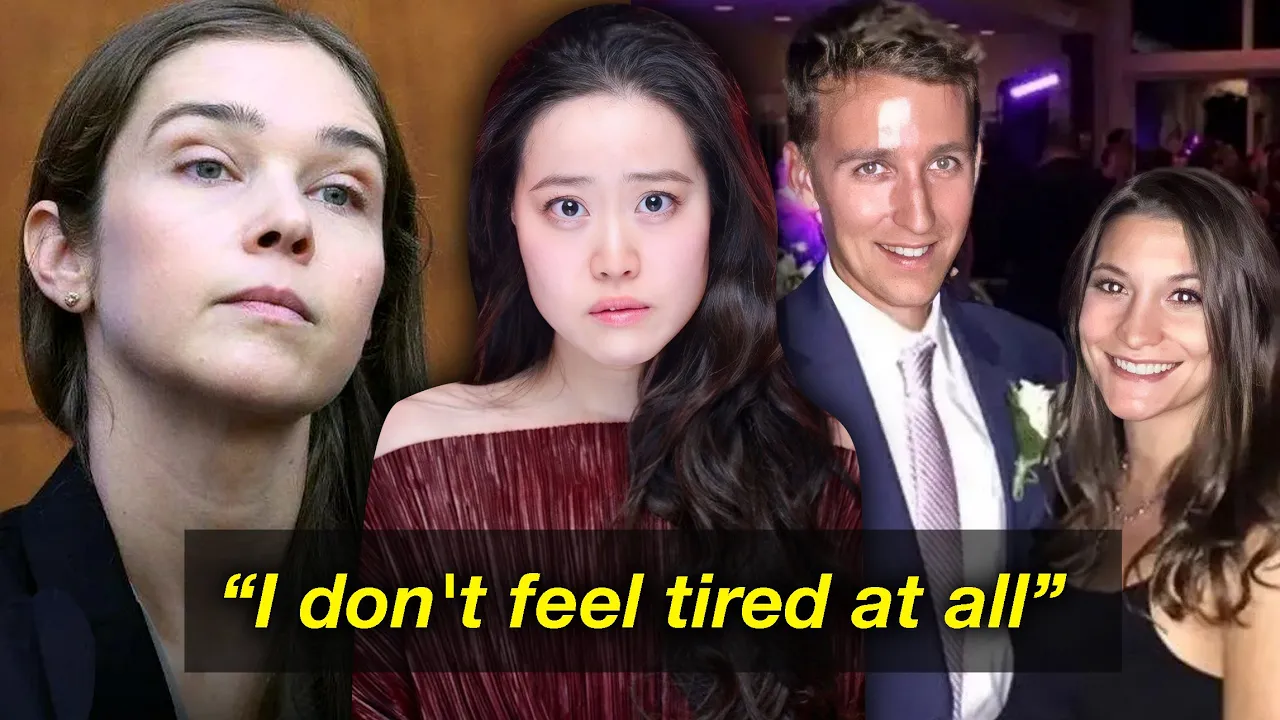
- Lindsay continued to report that she did not feel tired despite minimal sleep, a symptom often associated with mania.
I recommended 100 on day one, 200 on day two.
The "Pressured Speech" Dispute [73:15]
- A central point of contention in court was a note where Dr. Tufts wrote "not hyper, pressured speech," which the defense argued contradicted her claim that Lindsay had appropriate speech.
- Dr. Tufts insisted the note was misinterpreted, though the documentation was widely criticized by medical professionals.
I don't care what it says, I know what I meant.