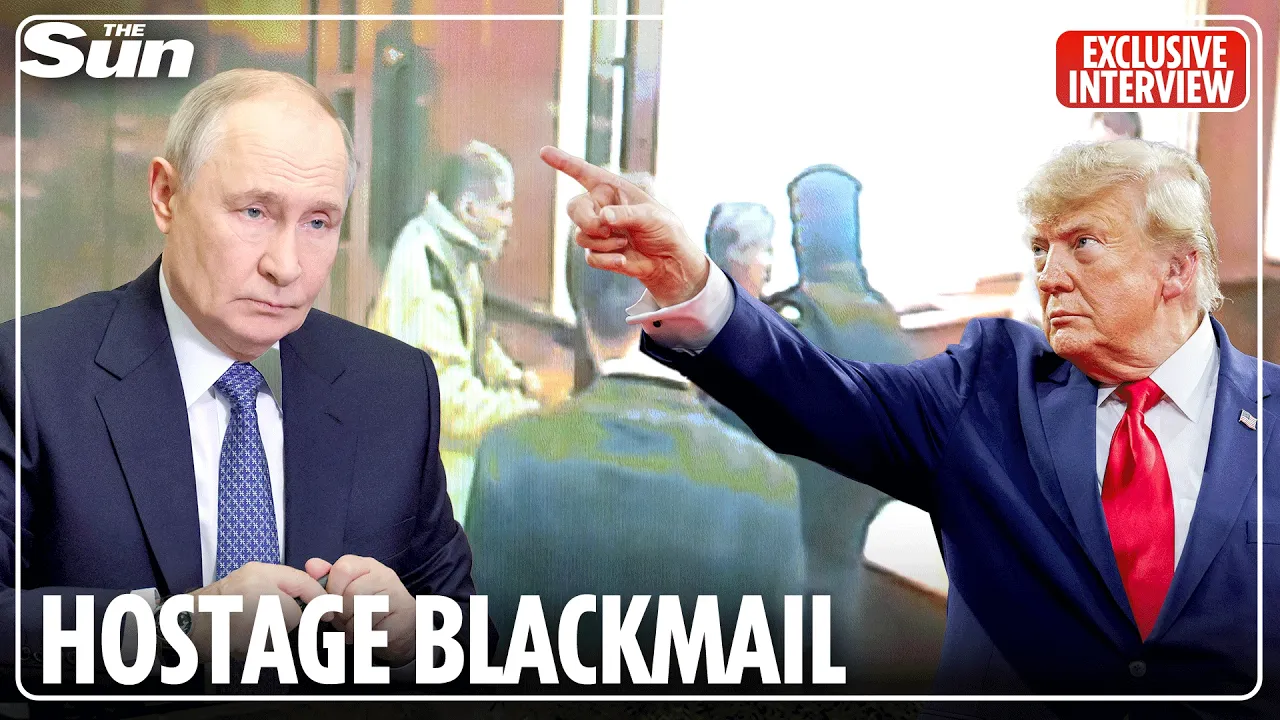
How Putin's hostage traps tricked Trump into sabotaging Ukraine’s strike power | Bill Browder
The Sun
2,937 views • 16 hours ago Save 6 min 3 min read
Video Summary
Russia regularly takes hostages for political gain, using individuals like Evan Gershkovitz as bargaining chips to secure prisoner releases or sanctions relief. This tactic is highlighted by the case of Gershkovitz, a former Wall Street Journal reporter, whose arrest and imprisonment are described as a means for Putin to involve Donald Trump in the Ukraine conflict.
Trump's alleged "diesel deal," which reportedly lifts sanctions on Russian diesel, is presented as a quid pro quo. In exchange for this deal, Trump is accused of pressuring Ukraine to cease attacks on Russian oil refineries, their primary leverage against Russian aggression. This policy shift is seen as a betrayal of Ukraine, potentially leading to increased civilian deaths and catastrophic consequences for the Ukrainian war effort. The speaker argues that continued U.S. support for Ukraine, including maintaining sanctions and providing military aid, is crucial to counter this devastating change in policy.
Short Highlights
- Russia weaponizes hostages for political objectives.
- Evan Gershkovitz, a former Wall Street Journal reporter, was imprisoned as a bargaining chip.
- Trump's alleged "diesel deal" is linked to pressuring Ukraine to stop attacking Russian oil refineries.
- This policy shift by the U.S. is seen as abandoning Ukraine and potentially increasing civilian casualties.
- The speaker advocates for continued U.S. support for Ukraine, including military aid and sanctions.
Key Details
Russia's Hostage Strategy [0:00]
- Russia routinely takes individuals hostage to achieve political goals.
- These hostages serve as bargaining chips for prisoner exchanges or sanctions relief.
- The case of Evan Gershkovitz, a former Wall Street Journal reporter, is cited as an example of a high-value hostage.
"Russia is in the business of taking hostages in order to pursue political objectives."
The "Diesel Deal" and Ukrainian Leverage [3:34]
- Putin allegedly sought Trump's help to stop attacks on Russian oil refineries.
- Trump's "diesel deal" reportedly lifts sanctions on Russian diesel, benefiting Russia's war effort.
- In return, Trump is accused of pressuring Ukraine to halt attacks on these refineries, their key leverage.
"But perhaps the ugliest part of this diesel deal is now Trump is getting involved in pressuring Ukraine not to fight back, not to hit oil refineries, which has been their main leverage."
Consequences for Ukraine [5:18]
- The shift in U.S. policy under Trump is seen as a betrayal of Ukraine.
- Pressuring Ukraine to not defend itself against Russian attacks could lead to more Ukrainian civilian deaths.
- Ukrainians are reportedly upset about U.S. actions, including Starlink limitations and potential withholding of intelligence and weapons.
"And so one could argue that this diesel deal and the repercussions of it and the follow up from it will lead to many more Ukrainian deaths."
Recommended U.S. Policy Shift [7:52]
- The speaker urges continued U.S. support for Ukraine amidst the policy change.
- This includes providing military and financial aid, confiscating Russian central bank reserves, and maintaining/expanding sanctions on Russian oil.
- Such actions are deemed crucial to mitigate the devastating impact of the U.S. policy shift on Ukraine.
"The main thing that we should be doing, given this shift in U.S. Trump policy, is to continue to support Ukraine."