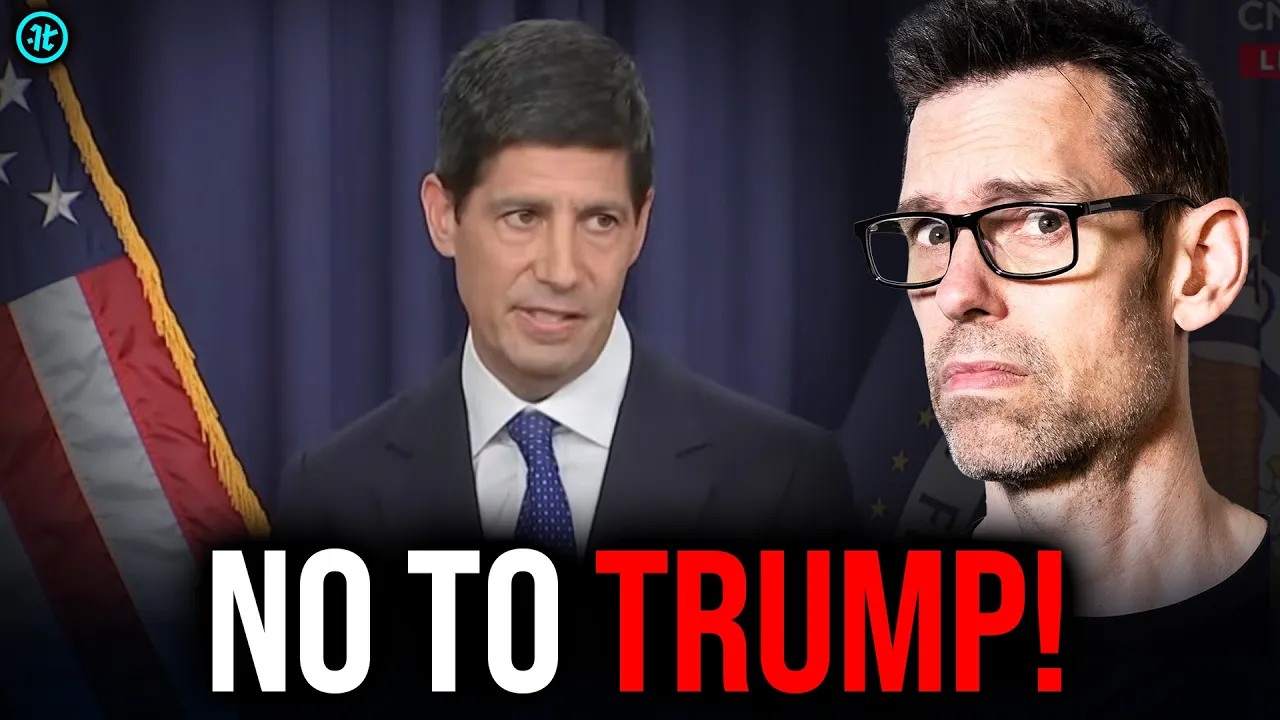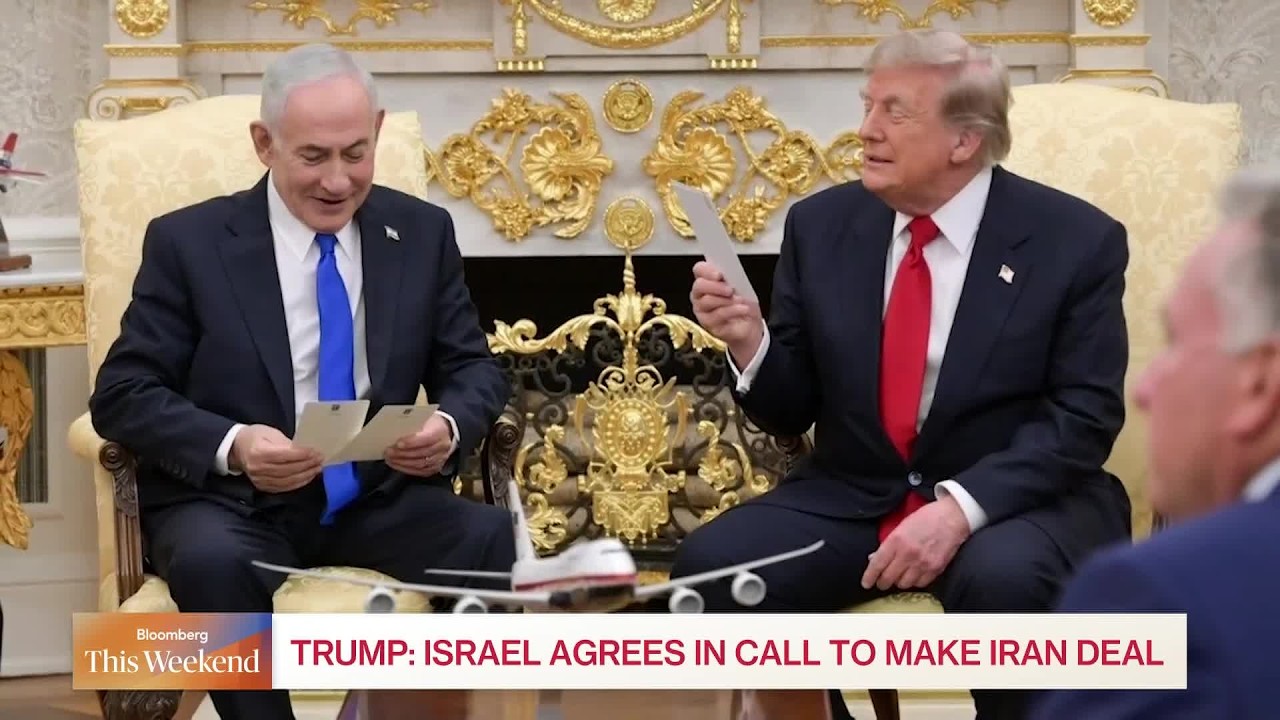
Nides Says Negotiations Is Needed for Iran War
Bloomberg Television
1,832 views • 1 month ago Save 4 min 3 min read
Video Summary
The former U.S. ambassador to Israel, Tom Nides, asserts that a military solution to the conflict with Iran is impossible, emphasizing that only diplomacy can de-escalate the situation. He criticizes the current strategy as a "cul-de-sac" where escalating actions lead to increased oil prices and alienate allies, leaving the U.S. in an "untenable situation."
Nides dismisses the idea of regime change in Iran as unrealistic, citing the regime's organized structure and the sheer size of the Iranian population. Instead, he advocates for a return to negotiations, aiming to reopen crucial shipping lanes and bring inspectors back into Iran. He believes that even a flawed 2015 deal would be preferable to the current stalemate, and stresses the need for international cooperation with allies like Saudi Arabia, Qatar, and Pakistan to achieve a resolution.
Short Highlights
- Military solution to the Iran conflict is impossible.
- Diplomacy is the only viable path to de-escalation.
- Regime change in Iran is an unrealistic aspiration.
- Reopening shipping lanes and bringing inspectors back to Iran are key goals.
Key Details
The Futility of Military Action [00:00:00]
- The current conflict strategy has become a "cul-de-sac," with escalating actions leading to negative consequences like increased oil prices and strained alliances.
- "The only solution here is a diplomatic solution."
- A military solution on its own is understood to be ineffective.
Iran's Strategic Awareness [00:00:00]
- Iranian negotiators are described as "quite smart" and aware that the U.S. president seeks to avoid escalation.
- They are "pushing the president to the brink."
- The belief is that the president will ultimately pursue a diplomatic resolution.
Regime Change: An Unrealistic Goal [00:00:00]
- The idea of regime change in Iran is deemed unrealistic, despite desires for it.
- "This is not going to happen."
- The Iranian regime is supported by a large structure of IRGC officials, making internal popular uprisings unlikely to succeed.
The Path Forward: Negotiation [00:00:00]
- The practical approach is to get Iran back to the negotiating table.
- Key objectives include reopening the Straits of Hormuz and allowing inspectors into Iran.
- "We need to understand the only way this is going to get solved is a negotiation with the parties involved and our allies involved."
The 2015 Deal Revisited [00:00:00]
- Even a flawed 2015 deal, like the JCPOA, would be preferable to the current situation.
- "I bet you a lot of money that the President would be more than happy to sign that agreement."
- However, the speaker acknowledges that a return to that specific agreement is unlikely.
Israeli Political Landscape [00:00:00]
- There is a perception that Prime Minister Netanyahu needs the war to continue for political reasons, especially with an upcoming election.
- The Israeli public is disappointed with the war's lack of substantial benefits.
- "The prime minister is, in fact, suffering from that right now."
U.S. Military Concerns [00:00:00]
- Reports indicate that the head of European Command has warned the Pentagon about insufficient naval forces to protect Israel from ballistic missiles.
- This highlights potential resource constraints in supporting allies.
Netanyahu's "Sticky Wicket" [00:00:00]
- Netanyahu is in a difficult political position, trying to convince Israeli voters he has the situation under control.
- "He would obviously like to get, see how I threw that in there, guys?"
- Currently, he has not yet accomplished this goal of demonstrating control to the electorate.