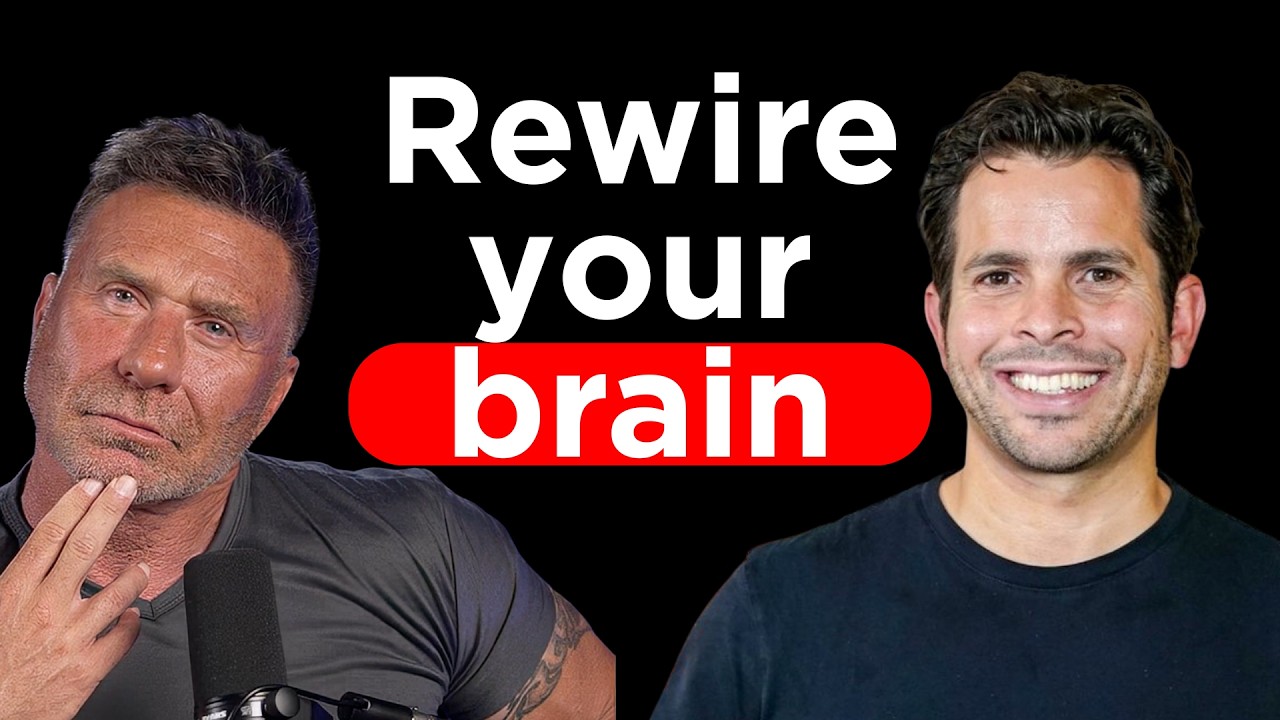
Joe Rogan Experience #2564 - Chuck Lorre
PowerfulJRE
8,470 views • 21 hours ago Save 115 min 7 min read
Video Summary
A conversation delves into the decline of multi-cam sitcoms, with the speaker lamenting their loss while acknowledging the unique appeal of shows like "The Big Bang Theory" and "Young Sheldon." The discussion touches on the cultural shifts of the 1960s, the impact of the birth control pill, and the evolving landscape of television production. The speaker expresses a preference for the collaborative nature of writing and the importance of humility in the creative process, contrasting it with the isolating nature of individual success. The conversation also explores the speaker's past involvement with Scientology, his struggles with addiction, and his eventual embrace of a spiritual path as a means of healing and finding purpose.
Short Highlights
- The decline of multi-cam sitcoms is a significant loss in television.
- The 1960s saw radical cultural shifts driven by various factors.
- Scientology's influence in Hollywood and the speaker's personal experience with it.
- The journey to sobriety and the search for spiritual solutions.
- The importance of collaboration and humility in creative endeavors.
- The enduring appeal of characters and their relationships in sitcoms.
- The therapeutic value of writing and self-reflection.
Related Video Summary
- “I Got Banned For Saying This!” Steven Crowder Reveals Who’s REALLY Running The US Economy
- Why A Psychopath Dating Coach Hates Her Female Audience
- Inside Australia's broken state care system, and the fight to fix it | Compass
- ‘THEY’RE NOT HUMAN’: Candace Owens EXPLODES On ‘DEMONIC’ Elon Musk, Peter Thiel, Sam Altman
Key Details
The Golden Age of Sitcoms and Their Decline [00:01:00]
- The speaker laments the loss of multi-cam sitcoms, a genre that provided comfort and laughter.
- Reality shows and changing viewing habits are cited as contributing factors to their decline.
- "The Big Bang Theory" is highlighted as a recent successful example, with a new generation discovering it through streaming.
"The first thing that killed it, I think, was reality shows, right? That sort of took a lot of the wind out of its sails."
Cultural Shifts of the 1960s [00:05:00]
- The rapid and radical cultural shift from the 1950s to the late 1960s is discussed.
- Factors contributing to this shift include the Vietnam War, psychedelic drugs, and the birth control pill.
- The birth control pill is noted for its significant impact on societal freedom for both men and women.
"Everybody could just do whatever the fuck they wanted. And they're doing drugs at the same time. So everything just boom, just all came together."
The Art and Craft of Sitcom Writing [00:10:00]
- The speaker emphasizes the difficulty and dedication required to write compelling sitcom episodes.
- The importance of characters and their relationships over plot is highlighted, using "Seinfeld" and "Friends" as examples.
- The concept of "perfect casting" is identified as crucial to a sitcom's success.
"But the secret sauce was you wanted to hang out with you. You wanted to hang out with these people."
The Decline of Network Sitcom Development [00:15:00]
- The shift in Hollywood from developing sitcoms around comedians to other forms of content is noted.
- The aspiration for aspiring comics to get their own network show has largely disappeared.
- Streaming platforms like Netflix are now providing opportunities for new sitcoms.
"And that, for the most part, doesn't exist anymore."
The Unique Nature of Multi-Cam Sitcoms [00:20:00]
- The experience of watching a multi-cam sitcom is compared to watching a play, with an audience present.
- The process of rewriting and refining jokes based on audience reaction is described.
- The historical roots of sitcoms in radio plays and theater are explored.
"The thing about the multicam thing is, like, you're kind of in on it. You know there's a crowd there watching this."
Debunking the Laugh Track Myth [00:25:00]
- The speaker addresses the persistent accusation of using laugh tracks, which he denies.
- An anecdote about a reporter complaining about a laugh track after observing a live studio audience is shared.
- The intention behind such criticism is suggested to be a desire to diminish the show's success.
"He sat in the stands with 200 people laughing and he wrote about the annoying laugh track."
The Evolving Definition of "Sitcom" [00:30:00]
- The term "sitcom" is questioned when applied to shows that aren't inherently about a "situation."
- The speaker expresses embarrassment about the term, preferring "TV comedy."
- The lack of respect for sitcoms compared to film in Hollywood is discussed.
"The word sitcom, it made sense when you married a fucking witch, you know, or you came back from outer space with a genie."
The Rigors of Sitcom Production [00:35:00]
- The immense difficulty of making people laugh consistently for a television season is emphasized.
- The pressure of network executives, actor managers, and audience reactions creates a high-stakes environment.
- The importance of early success in gaining creative freedom is noted.
"It's almost impossible. It's very difficult. It's ridiculous."
The Power of Characters and Connection [00:40:00]
- The speaker reflects on how audiences connect with characters, citing "The Big Bang Theory" and "Young Sheldon."
- The "misfit" aspect of characters resonates with viewers, creating a sense of surrogate family.
- The unique appeal of "Young Sheldon" lies in its focus on family dynamics and love, distinct from "The Big Bang Theory."
"They're losers in a life raft. You know what I mean? And they hold each other up."
Navigating Hollywood and Personal Struggles [00:45:00]
- The speaker discusses the challenges of working with actors and the pressures of fame.
- The story of Phil Hartman's Emmy nomination and loss is shared, highlighting the emotional toll of grief.
- Bob Newhart's guest role on "The Big Bang Theory" and his Emmy win are recounted as a significant moment.
"What the fuck does a guy have to do to win?"
The "Two and a Half Men" Experience [00:50:00]
- The speaker recounts the show's initial success and Charlie Sheen's management of his personal issues.
- The turning point came in the eighth season when Sheen's behavior became increasingly erratic.
- The speaker admits to being in denial about the severity of Sheen's struggles.
"The behavior became more and more erratic. A lot of missed stuff."
The Search for Spiritual Solutions [00:55:00]
- The speaker discusses the realization that external success doesn't heal internal wounds.
- The journey to sobriety is presented as a catalyst for seeking spiritual solutions.
- The concept of a "God of your own understanding" is highlighted as a liberating aspect of this search.
"The outside stuff, whether they be experiences or stuff or relationships or in my case, marriages, it doesn't, it's a band-aid."
Scientology's Influence and Personal Journey [01:00:00]
- The speaker details his initial attraction to Scientology in 1994, seeing it as a potential career advantage.
- The "communications course" and "training routines" are described, with TR0 likened to meditation.
- The speaker eventually realized Scientology wasn't working after ten years and left, losing friends in the process.
"I thought it would give me an edge. I thought that if I went down this road, it would give me an edge into the career that I wanted."
The Power of Vulnerability and Collaboration [01:05:00]
- The speaker reflects on the strength found in admitting "I don't know" and embracing collaboration.
- Humility is presented not as weakness, but as a source of strength and authenticity.
- The collaborative nature of writing and the influence of other writers in one's creative process are emphasized.
"What a relief to not pretend I know, right? What a relief to not, you know, to not act as if I, I have a handle on this."
The Unpredictability of Creative Success [01:10:00]
- The speaker discusses the challenges of producing consistent quality in television, using Norman Lear's approach as an example.
- The speaker recognizes his own presence can sometimes stifle creativity and collaboration.
- The importance of striving for greatness rather than settling for "okay" is stressed.
"It's a game of guessing. I think this is funny. Uh, I guessed wrong."
A Career Defined by Laughter and Growth [01:15:00]
- The speaker expresses his continued enjoyment of making people laugh and the collaborative process of writing.
- He acknowledges the stress involved but finds fulfillment in the creative act.
- The journey of writing a memoir is described as a process of self-forgiveness and understanding.
"Making people laugh is fun. You know, and sitting in a writer's room is fun."