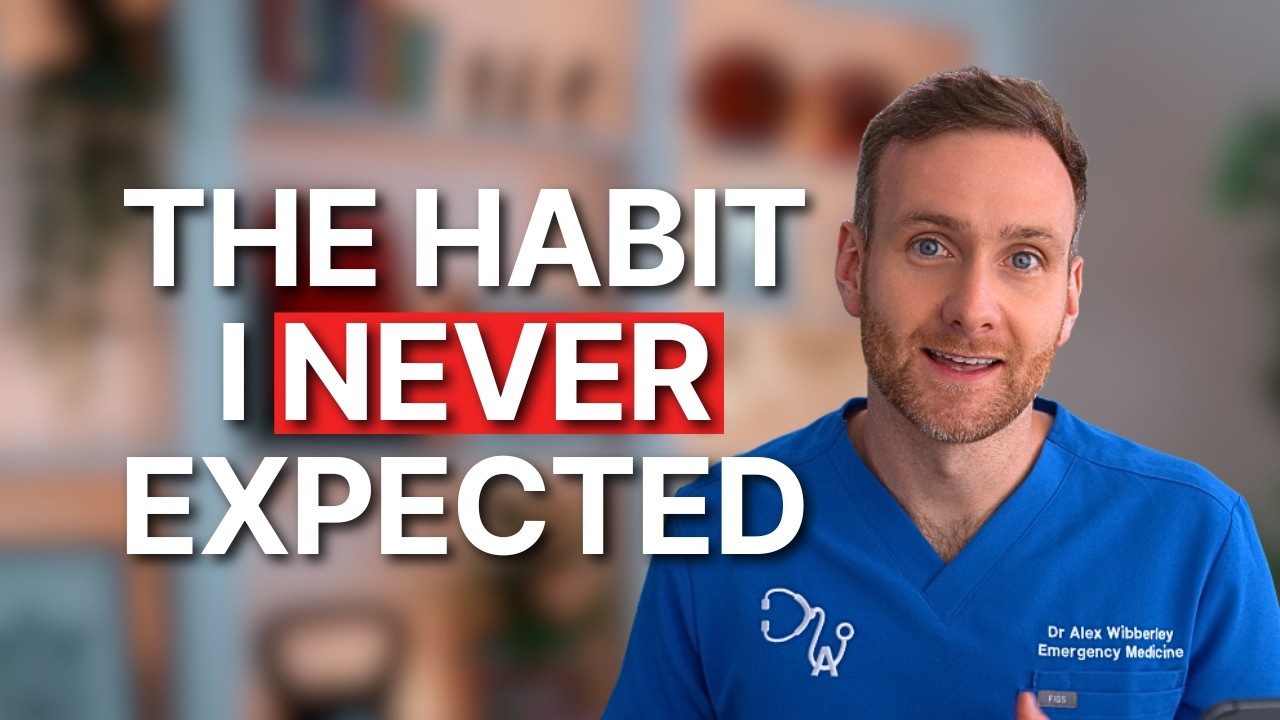
The Anti-Aging Habit That Adds 7.5 Extra Years of Life
Doctor Alex
21,863 views • Save 17 min (3 min read) • yesterday
Video Summary
Research led by Becca Levy at Yale indicates that positive beliefs about aging are linked to living approximately 7.5 years longer. This effect persists even when controlling for factors like wealth, sex, and baseline health. The study suggests that these beliefs influence longevity by driving proactive health behaviors, such as exercise and social engagement, and by mitigating the physiological impact of chronic stress.
While the research is observational and cannot prove direct causation, it highlights a significant correlation between mindset and physical outcomes, including improved memory and reduced markers of Alzheimer's disease. The author emphasizes that a positive outlook is most effective when it motivates consistent, healthy lifestyle choices over time, rather than serving as a passive substitute for physical activity or proper nutrition.
Short Highlights
- People with positive aging beliefs lived an average of 7.5 years longer.
- Positive mindsets are linked to better memory and reduced Alzheimer's biomarkers.
- Beliefs influence health by encouraging consistent exercise and social activity.
- Negative beliefs about aging can trigger chronic stress responses that harm the body.
Key Details
The Link Between Belief and Longevity [04:18]
- Research led by Becca Levy found that positive beliefs about aging are associated with living 7.5 years longer.
- This correlation remains significant even after adjusting for age, sex, wealth, and baseline health.
-
In a study that followed a group of people for years, those who held more positive beliefs about growing older went on to live, on average, around seven and a half years longer than those who held more negative beliefs.
Cognitive and Physical Benefits [05:25]
- Positive age beliefs are linked to improved memory and faster recovery from illness.
- Studies show a reduction in beta-amyloid plaques and tau tangles associated with Alzheimer's disease.
-
What they found is that nearly half of adults over the age of 65 in this study actually got better at one or both of those, you know, years later at later checkups than they had done years earlier.
Behavioral Drivers of Health [07:15]
- Beliefs influence health outcomes by shaping daily behaviors like strength training and social interaction.
- Negative beliefs can lead to a sedentary lifestyle, which accelerates physical decline.
-
The belief drives the behaviour and the behaviour drives the biology.
The Role of Stress [08:55]
- Holding negative beliefs about aging may trigger a chronic cardiovascular stress response.
- This low-grade stress can cause inflammation and wear the body down over time.
-
On top of that, holding negative beliefs seems to switch on a low-grade stress response of its own.
Practical Application [11:10]
- Awareness of societal messaging regarding aging is the first step toward shifting one's mindset.
- Engaging with active, thriving older adults can help rewrite personal expectations for later life.
-
The best practical advice I can give you here is really, in my opinion, to join a gym or some sort of community centre or, you know, dance class.