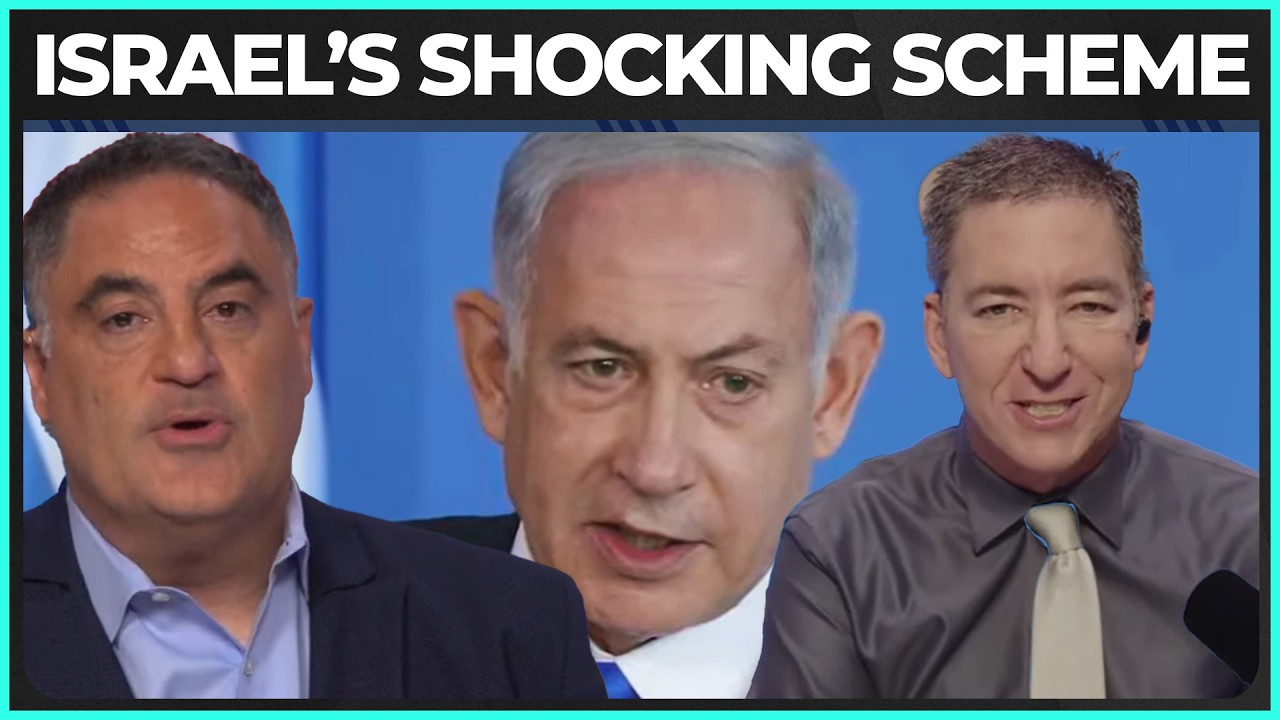
Israel's SHOCKING Scheme REVEALED
The Young Turks
11,010 views • 8 hours ago Save 14 min 5 min read
Video Summary
Israel stands to gain significantly from the current conflict, potentially leveraging blocked shipping routes to establish a new oil and gas export pipeline through its territory. This "land route" would bypass the Strait of Hormuz and the Bab al-Mandab Strait, which have become too dangerous due to Iranian actions and Houthi rebel attacks. Israeli officials, including Prime Minister Benjamin Netanyahu, have openly discussed this pipeline, framing it as a way to break Iran's grip on global energy and boost Israel's regional power.
This strategic advantage for Israel is seen by some as a potential motive for the war itself, with claims that U.S. foreign policy decisions consistently benefit Israel. Furthermore, the conflict may pressure Saudi Arabia into a peace agreement with Israel, potentially bypassing the need for a Palestinian state, a long-standing Israeli objective. Meanwhile, the U.S. faces significant costs and resource depletion from the conflict, while Israel emerges with enhanced energy independence and geopolitical leverage.
Short Highlights
- New Pipeline Route: A proposed pipeline through Saudi Arabia and Israel could bypass dangerous shipping lanes like the Strait of Hormuz and Bab al-Mandab.
- Bypassing Choke Points: This land route would allow Gulf countries to export oil and gas, circumventing threats from Iran and Houthi rebels.
- Israeli Energy Minister's View: Eli Cohen stated that Gulf countries want to avoid dependence on Iran or Houthis, making a land route through Israel the "best route."
- Netanyahu's Endorsement: Prime Minister Benjamin Netanyahu believes the pipeline could break Iran's control over global energy.
- Geopolitical Leverage: The war and potential pipeline could pressure Saudi Arabia into a peace deal with Israel, potentially sidelining the Palestinian state issue.
- Israel's Regional Superpower Status: The conflict and energy infrastructure developments are seen as propelling Israel towards becoming a regional superpower.
- U.S. Costs vs. Israeli Gains: While the U.S. incurs significant financial and military costs, Israel is perceived as the primary beneficiary of the ongoing conflict.
Key Details
Secret Pipeline Plan Emerges [00:00:00]
- Israel may have a "secret reason" for not minding the Strait of Hormuz being blocked.
- The ongoing conflict is seen as beneficial to Israel, potentially driving Gulf countries closer to Israel and away from Iran.
- The war has also damaged Iran, which Israel views favorably.
"Israel has other reasons why they're kind of thrilled at how this war is going."
Energy Exports Threatened [00:01:00]
- Major shipping routes for oil and gas exports, the Bab al-Mandab Strait and the Strait of Hormuz, have become too dangerous.
- Iran has reportedly blocked Hormuz, while Houthi rebels attack shipments through Bab al-Mandab.
- This situation forces Saudi Arabia and other Gulf producers to seek alternative solutions.
"The main shipping routes to export their barrels of oil and tanks of gas, the Bab al-Mandab Strait and the Strait of Hormuz have become too dangerous to use."
Israel as a Potential Solution [00:02:00]
- A potential solution for energy exports could involve Israel.
- The scheme involves building a pipeline across the Saudi desert to the Israeli border.
- A pre-existing pipeline from the late 1960s through Israel would then carry the resources north to Mediterranean ports.
"The scheme would see a pipeline built across the Saudi desert to the Israeli border where a second pipeline built through Israel in the late 1960s would carry it north to ports on the Mediterranean."
Official Endorsement of the Pipeline [00:03:00]
- Israeli officials, including Energy Minister Eli Cohen, have openly discussed the pipeline plan.
- Cohen stated that Gulf countries want to avoid dependence on Iran or Houthis for their oil exports.
- He emphasized that a land route through Israel is the optimal solution.
"If you create a land route, you bypass both Iran and the Houthis, the best route is through the state of Israel."
Netanyahu's Vision for the Pipeline [00:04:00]
- Prime Minister Benjamin Netanyahu has also spoken about the pipeline's potential.
- He believes it could diminish Iran's influence over global energy markets.
- The pipeline would bypass traditional maritime choke points like the Strait of Hormuz and Bab al-Mandab.
"Instead of going through the checkpoints of the Hormuz Strait and the Babel-Mondeb Strait, we just have oil pipelines, gas pipelines going through the west, through the Arabian Peninsula, right up to Israel, right up to our Mediterranean ports."
Strategic Implications and Peace Deal Pressure [00:05:00]
- The pipeline project would necessitate a peace agreement between Saudi Arabia and Israel.
- This could pressure Saudi Arabia to normalize relations with Israel, potentially without a prior two-state solution for Palestinians.
- Israel has historically resisted the establishment of a Palestinian state.
"And that would mean that the Palestinians might never get a state."
Israel's Rise as a Regional Superpower [00:06:00]
- The conflict is seen as a strategic move for Israel to become a regional superpower.
- This involves neutralizing Iran, gaining leverage over Egypt and Jordan through energy dependence, and potentially securing normalization with Saudi Arabia.
- Israel's offshore gas discoveries and the potential pipeline further solidify its energy position.
"And that would obviously make Israel even significantly more powerful than they are right now."