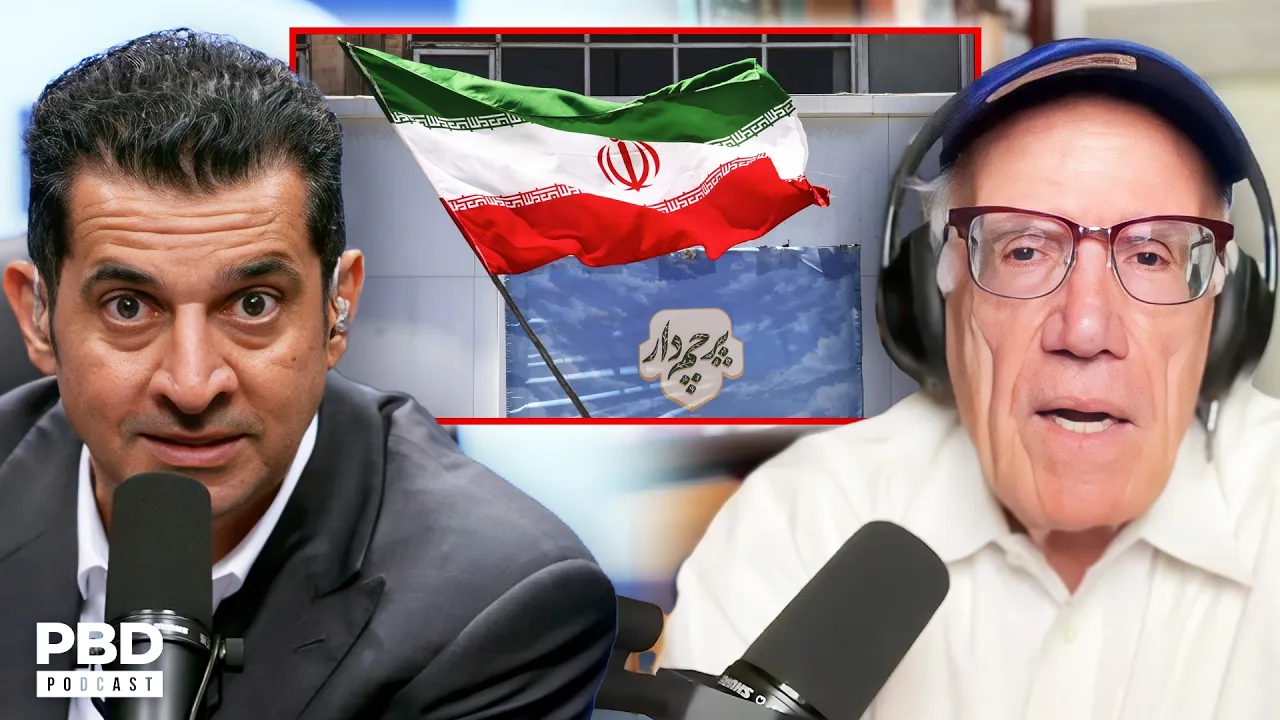
"His MAGA Revolution Is Over" - Victor Davis Hanson WARNS Trump About Iran and the Midterms
Valuetainment
3,906 views • yesterday Save 9 min 3 min read
Video Summary
The speaker critiques the U.S. strategy in the Iran conflict, arguing for a more aggressive, sanctions-focused approach rather than negotiation.
Initially, the expectation was a swift, decisive military operation involving Gulf states and Israel to dismantle Iran's nuclear program and military capabilities within 90 days. This would have been followed by stringent sanctions and blockades, creating internal pressure on the regime. Instead, the conflict stalled, leading to threats against China and a perceived negotiation with an "unhinged" regime. The speaker advocates for supporting an interim government in exile and freezing Iranian assets, emphasizing that direct negotiation with the current theocracy is futile.
Short Highlights
- The initial expectation was a swift military campaign to dismantle Iran's nuclear program and military within 90 days.
- The current strategy is seen as a "gridlock" leading to threats against China.
- A more effective approach would involve stringent sanctions and blockades to weaken the regime internally.
- Supporting an interim government in exile is proposed as an alternative to direct negotiation.
- The speaker criticizes the current negotiation with an "unhinged" regime.
Key Details
Initial Expectations vs. Reality [0:00]
- The speaker believed the war would conclude within 90 days with a swift military operation.
- This operation was expected to involve the U.S. military, Israel, and Gulf states with substantial air power.
- The goal was to dismantle Iran's nuclear program and attrit its military.
"So I thought there would be this huge armada of 1,500 planes hitting all of these targets, and then they would, after six weeks or seven weeks, they would consult and say, have we met our goals of dismantling this nuclear program?"
Proposed Strategy: Sanctions and Internal Pressure [1:41]
- A more effective strategy would have been to impose strict sanctions and blockades earlier.
- This would "suffocate" Iran and create internal dissent among its 93 million people.
- The aim was to make the regime stew in its own juice, similar to the fall of the Berlin Wall.
"And then we would have said, we're going to let this awful theocracy stew in its own juice."
Critique of Current Negotiations [3:14]
- The current approach of stopping after 38 days and negotiating with the "lunatic, unhinged regime" is criticized.
- The speaker advocates for supporting dissidents and an interim government in exile.
- Direct negotiation with the current theocracy should be avoided.
"But we should not go into the country on the ground and we should not talk, fight, talk, fight endlessly."
The Supreme Leader's Elimination and Strategic Implications [5:04]
- The complexity of eliminating top Iranian leaders is discussed, noting U.S. reluctance due to past criticism.
- Israel's capability for selective targeting versus the U.S. need for heavy bombing of nuclear facilities is highlighted.
- The resulting chaos from leadership elimination is seen as potentially beneficial.
"So Israel said, well, we can take out the first, second, and third echelon of their leaders, but we don't have the ability with B-2 bombers to hit the nuclear facilities."
Lessons from the Clinton Model and Future Strategy [8:50]
- The speaker draws parallels to Bill Clinton's bombing of Serbia, emphasizing the need to hit dual-use targets and power grids.
- A lack of inflicted military and economic pain on Iran is seen as the reason for continued negotiation.
- The goal should be to inflict pain so severe that the regime cannot recover and its people seek freedom.
"I don't know why we didn't follow that Clinton model. It would have been much more successful, I think."