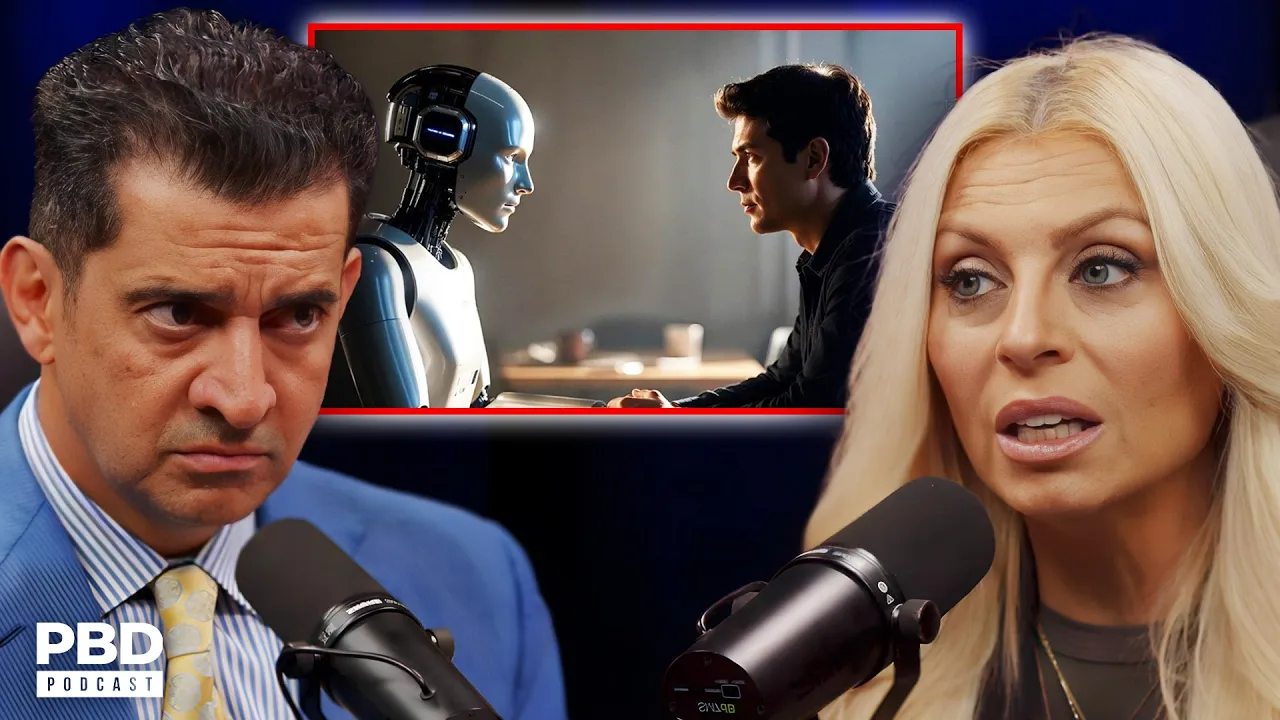
Ex-Secret Service Agent Says Foreign Spies Are Already Inside US AI Companies
Valuetainment
21,294 views • yesterday Save 4 min 4 min read
Video Summary
A former OpenAI employee revealed that Chinese nationals working at top AI companies are relaying information back to China, posing a significant national security risk. This insider information highlights a critical vulnerability in the U.S. AI sector, where a focus on rapid hiring may be overshadowing thorough background checks. The speaker argues that the U.S. is perceived as naive by adversaries, who exploit its open immigration and free speech policies to gain technological advantages.
This widespread espionage is fueled by China's long-term strategic approach to acquiring technology, viewing it as a national imperative rather than theft. The current "Wild West" environment in AI security necessitates a more proactive and rigorous vetting process to prevent catastrophic breaches. The speaker suggests implementing stricter oversight, similar to financial regulations, to track outside business activities and income sources of individuals with significant influence, especially those in sensitive AI development roles.
Short Highlights
- China is actively acquiring advanced AI technology through espionage, with Chinese nationals working at U.S. AI firms relaying information.
- The U.S. is perceived as naive by adversaries due to its open hiring practices and a tendency to project its own values onto other nations.
- AI companies are facing external threats, including job applicants sent by "outside actors" and sophisticated deep fakes, some originating from South Korea.
- A potential indicator of deception during interviews is a candidate requesting to use the restroom, possibly to switch individuals.
- China's strategy involves acquiring technology for national benefit, contrasting with Western notions of intellectual property theft.
- The U.S. operates reactively, often waiting for a significant negative event before implementing new security measures or oversight.
- The current AI landscape is described as a "Wild West," lacking sufficient regulation and oversight.
Related Video Summary
Key Details
The Threat from Within [0:00]
- A former OpenAI employee, Jacob Coxon, who gained notoriety for a viral tweet about existential AI risks, shared concerns about national security.
- Coxon revealed that Chinese nationals working at major AI companies like OpenAI and Anthropic are suspected of relaying information back to China.
- This practice is seen as a method for China to obtain advanced AI technology, as they believe "whatever we have, China has."
"Whatever we have, China has."
China's Strategic Advantage [1:15]
- The speaker contrasts China's long-term strategic thinking with the U.S. business model, noting that Chinese nationals working abroad are expected to contribute to their home country.
- This situation raises questions about how to protect against espionage when foreign nationals are employed by leading AI firms.
- The speaker suggests that companies are now realizing the need for deeper background checks on potential hires.
"The Chinese folks are long-term thinkers. That's not our business model."
Exploiting Hiring Processes [2:30]
- AI companies are increasingly aware of "outside actors" attempting to infiltrate their organizations by posing as job applicants.
- Deep fakes, often originating from South Korea, are another concern, with a specific interview tactic mentioned: a candidate asking to use the restroom, which could signal a switch of individuals.
- Many HR departments are not adequately trained to identify these sophisticated espionage attempts, leading to potential breaches.
"And they're trying to manage it. Or they're getting deep fakes."
Naivete and Reactive Security [4:00]
- The U.S. is perceived as naive by adversaries because of its open, welcoming approach to hiring and immigration, projecting American values onto other nations.
- This naivete makes the U.S. vulnerable to exploitation, especially given its status as the world's leading innovator.
- The speaker argues that the U.S. is a reactive country, often implementing security measures only after a significant negative event occurs, citing 9/11 and the subsequent Patriot Act as an example.
"We are seen as quite naive. By them? By the enemy? Yes."
The "Wild West" of AI Security [6:00]
- The current environment in AI security is described as the "Wild West," lacking sufficient oversight and regulation.
- The speaker suggests a need for stricter protocols, potentially involving mandatory public disclosure of payments from outside actors, similar to financial industry regulations requiring reporting of outside business activities.
- Without proactive measures and robust security layers, the U.S. remains vulnerable to espionage and the misuse of its advanced technologies.
"Right now, it's the Wild West."