Germany Is Coming For YOUR Bitcoin.
Coin Bureau
32,779 views • 1 month ago Save 8 min 4 min read
Video Summary
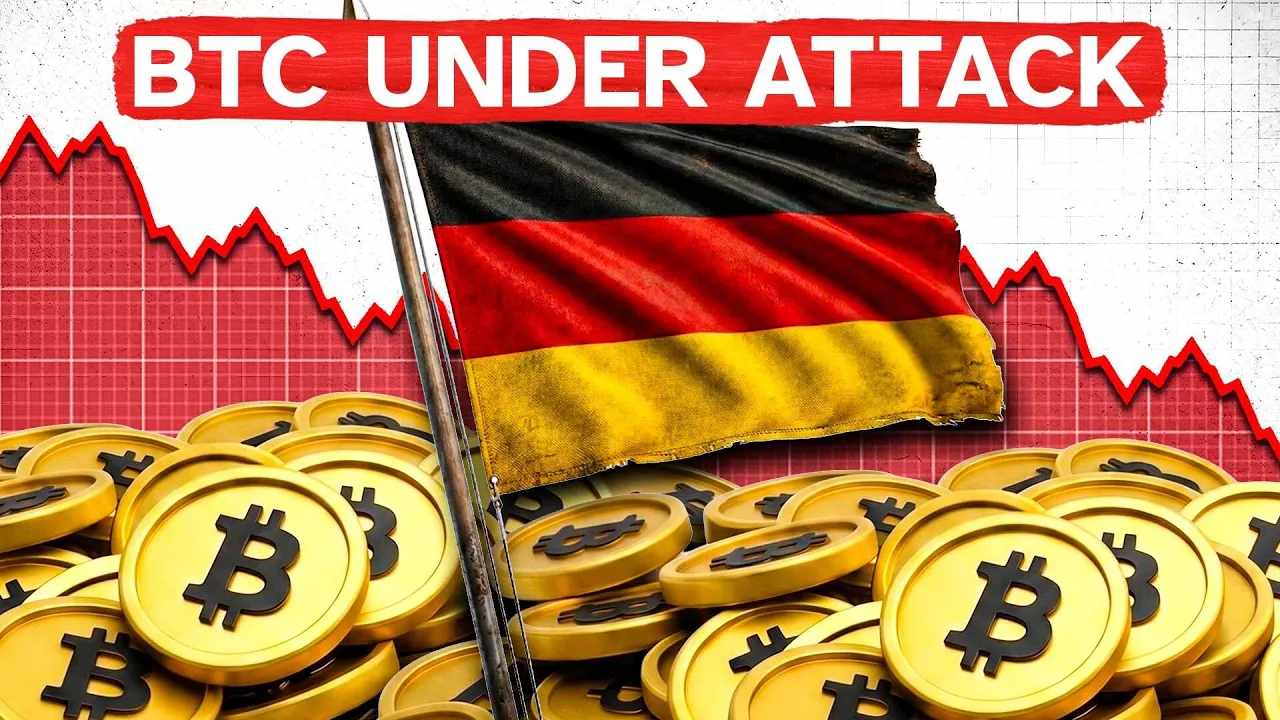
Germany is poised to sell a massive amount of seized Bitcoin, with prosecutors citing the volatile nature of the asset as justification. However, the government's actions extend beyond targeting criminals, as it prepares to tax everyday citizens who hold cryptocurrency. This move comes as the German finance minister has proposed eliminating the 12-month tax exemption for crypto gains, a rule that previously classified crypto as a private asset akin to gold.
The German government has already allocated billions in its budget based on anticipated revenue from taxing crypto gains, despite no formal legislation being passed yet. This proactive budgeting has raised concerns about the government pushing its powers too far and potentially taxing individuals on past investment decisions. Simultaneously, Germany has implemented a Crypto Tax Transparency Act, requiring exchanges to report user data to tax authorities, and is favoring traditional banking networks for crypto distribution, potentially sidelining independent crypto firms.
Short Highlights
- Germany plans to sell billions in seized Bitcoin, citing asset volatility.
- The government is set to tax citizens holding crypto, removing a 12-month tax exemption.
- Budget allocates funds from crypto taxes before legislation is passed.
- New law mandates crypto exchanges report user data to German tax authorities.
- Traditional banks are favored for crypto distribution over independent firms.
Related Video Summary
Key Details
Germany Sells Billions in Seized Bitcoin [0:00]
- The German government seized 49,858 bitcoins from a criminal network.
- These bitcoins were sold on the open market within three weeks for approximately 2.6 billion euros.
- Prosecutors stated that volatile assets like Bitcoin must be liquidated.
"Prosecutors said they had no choice that volatile assets have to be liquidated."
New Bitcoin Haul and Government Plans [1:17]
- A court case in Leipzig involved a deal where a defendant handed over access to approximately 57,000 more bitcoins.
- This additional stash, combined with previously seized coins, could be worth up to 6.2 billion euros.
- Germany's established policy is to sell seized bitcoin rapidly, a practice now being directed towards citizens.
"And everything from here is that same reflex, only it's directed at citizens instead of criminals."
Proposed Crypto Tax Changes [3:06]
- Currently, Germany offers a tax exemption on crypto gains if held for over 12 months, classifying crypto as a private asset.
- Finance Minister Lars Klingbeil proposed removing this 12-month rule, taxing all crypto gains as ordinary investment income.
- The government has included anticipated revenue from these crypto taxes in its budget, even before the law is enacted.
"So the revenue from taxing German Bitcoin holders is already sitting on the ledger, penciled against spending."
Crypto Tax Transparency Act and Reporting [7:26]
- Germany's Crypto Tax Transparency Act, implementing EU and OECD directives, came into force on January 1st.
- Crypto exchanges serving German residents must now collect tax identification numbers and report transactions and balances to the German tax office.
- This reporting system is live and data collection is continuous, with the first formal handover due by July 31, 2027.
"So in the simple terms, here's what it does. Every crypto exchange serving a German resident, domestic or foreign, now has to collect your tax identification number, track your transactions and balances, and report all of it directly to the Federal Central Tax Office in Bonn."
Shift Towards Banking Networks [9:40]
- Traditional German banking networks, like DZ Bank, are launching crypto trading products for their customers.
- These banks, including Volksbank, Raiffeisenbank, and Sparkassen, aim to reach a significant portion of the country's population.
- Independent crypto firms face a tightened regulatory environment, with early deadlines for licensing and increased scrutiny, suggesting a push towards institutional players.
"The independents get their deadline pulled forward and their files pulled open. The banks get licensed on schedule with the app already shipped."