Was Crucial DNA Evidence in Tony Carruthers’ Case Never Fully Tested?
Crime Junkie
3,511 views • 1 month ago Save 16 min 4 min read
Video Summary
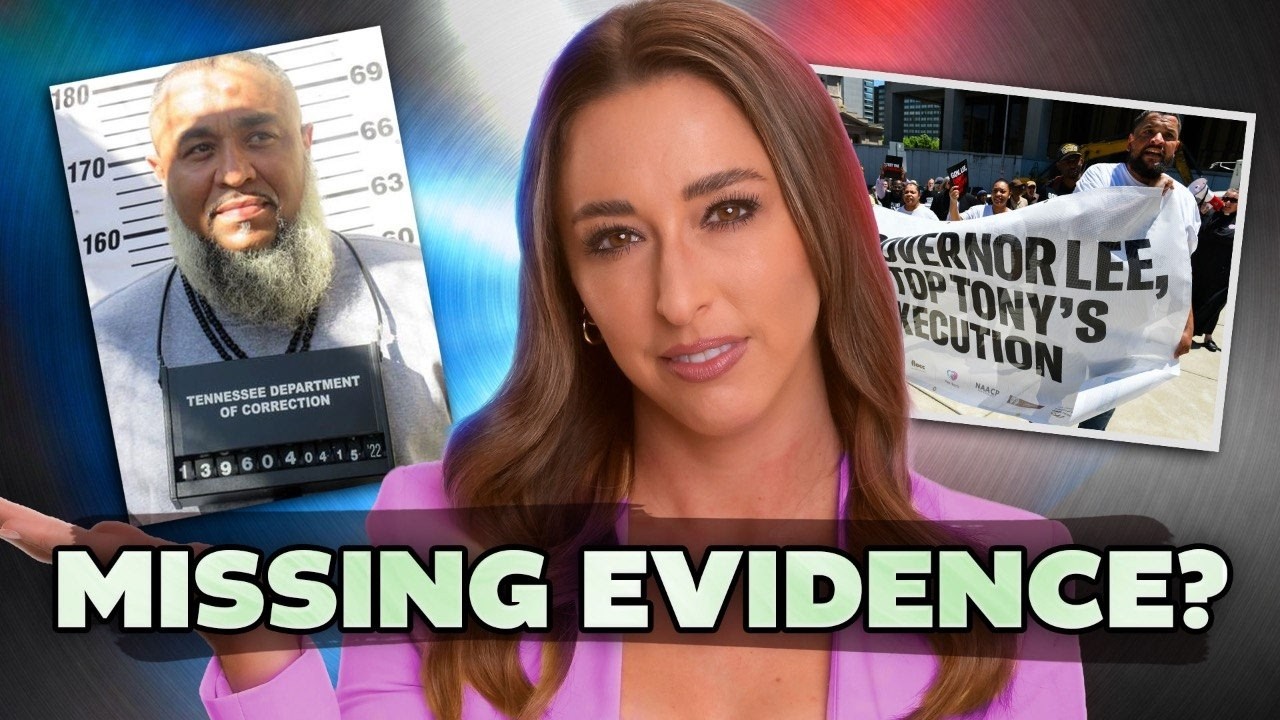
After a botched execution attempt in May 2026 left death row inmate Tony Carruthers alive, his legal team at the ACLU is racing against a one-year stay of execution to uncover the truth behind a 30-year-old triple murder conviction. Carruthers, who has maintained his innocence since 1994, was convicted largely based on the testimony of a jailhouse informant who was later revealed to be a paid confidential informant—a fact the state previously denied.
New evidence has cast doubt on the core of the prosecution's case, including the medical examiner's original testimony that the victims were buried alive, which he has since walked back. With unidentified DNA profiles found on a bloody blanket and binding materials, and claims that a third party named 'Eyeball' was involved, the ACLU is demanding forensic testing that could potentially exonerate Carruthers before his next scheduled execution date.
Short Highlights
- The case against Tony Carruthers is built on highly questionable evidence:
- The state's star witness, Alfredo Shaw, was a paid confidential informant despite official denials.
- The medical examiner retracted his trial testimony that the victims were buried alive.
- Six unidentified fingerprints were found at the crime scene, none of which match the defendants.
- DNA profiles found on a bloody blanket and victim bindings remain unmatched to Carruthers or his co-defendant.
- A potential alternative suspect, Ronnie 'Eyeball' Irving, was never investigated despite having his DNA on file.
- Two original jurors now oppose the death sentence due to these revelations.
- Carruthers has one year to secure DNA testing before his next execution attempt.
Key Details
The Botched Execution [00:00:46]
- Tony Carruthers survived a failed execution attempt in May 2026 after officials spent over an hour struggling to insert necessary IV lines.
- The procedure was called off after officials failed to secure backup and central lines, leaving the inmate alive for one more year.
Imagine waking up knowing you're going to die that day. And then when you unexpectedly survive, you learn there's a legal rain check on your death for one year.
Discovery of the Victims [00:04:47]
- In 1994, DeLois Anderson, her son Marcellus, and his friend Fred Tucker went missing, eventually leading police to a grave at Rose Hill Cemetery.
- Three bodies were found beneath a casket, bound and showing signs of violence, which investigators theorized was a drug-related kidnapping gone wrong.
Underneath that casket, they make a horrific discovery. There are three additional bodies.
The Role of Alfredo Shaw [00:07:31]
- After the initial case was dismissed due to the suicide of a key informant, Alfredo Shaw emerged with a detailed confession he claimed Carruthers made to him.
- Shaw later recanted his story to the media, but the prosecution relied on his original grand jury testimony to secure a conviction.
That reported confession was enough for the grand jury to indict Tony Carruthers and James Montgomery for three counts of murder and aggravated kidnapping again.
A Disastrous Self-Representation [00:09:07]
- Tony Carruthers represented himself at trial despite documented mental health issues, including schizophrenia and bipolar disorder.
- He inadvertently damaged his own defense by calling Alfredo Shaw to the stand, who reaffirmed his incriminating testimony.
He ended up calling Alfredo Shaw to the stand, which did not bode well for him since Alfredo did indeed go back to his original grand jury testimony that implicated Tony.
Questioning the 'Buried Alive' Theory [00:11:45]
- The medical examiner originally testified that the victims were buried alive, a claim that significantly impacted the jury's sentencing decision.
- In a 2007 affidavit, the medical examiner admitted he could no longer state with certainty that the victims were alive when buried.
But now the doctor said other factors like post-mortem pressure could have caused that. And he wrote he no longer could say with certainty they were buried alive at all.
Hidden Evidence and Untested DNA [00:10:48]
- The ACLU discovered that unidentified fingerprints and DNA profiles were never fully investigated or matched to the defendants.
- Evidence includes scrapings from under the victims' fingernails and bindings that have yet to be subjected to modern DNA testing.
You have DNA evidence in the case that either doesn't match any of the defendants or hasn't been tested at all.
The Mystery of 'Eyeball' [00:14:31]
- Co-defendant James Montgomery claimed before his release that a man named Ronnie 'Eyeball' Irving was involved in the crimes.
- Although Irving was murdered in 2002, his DNA and fingerprints are on file, yet authorities have reportedly never compared them against the crime scene evidence.
Police never got a chance to question him because according to the court documents, he was murdered in 2002.